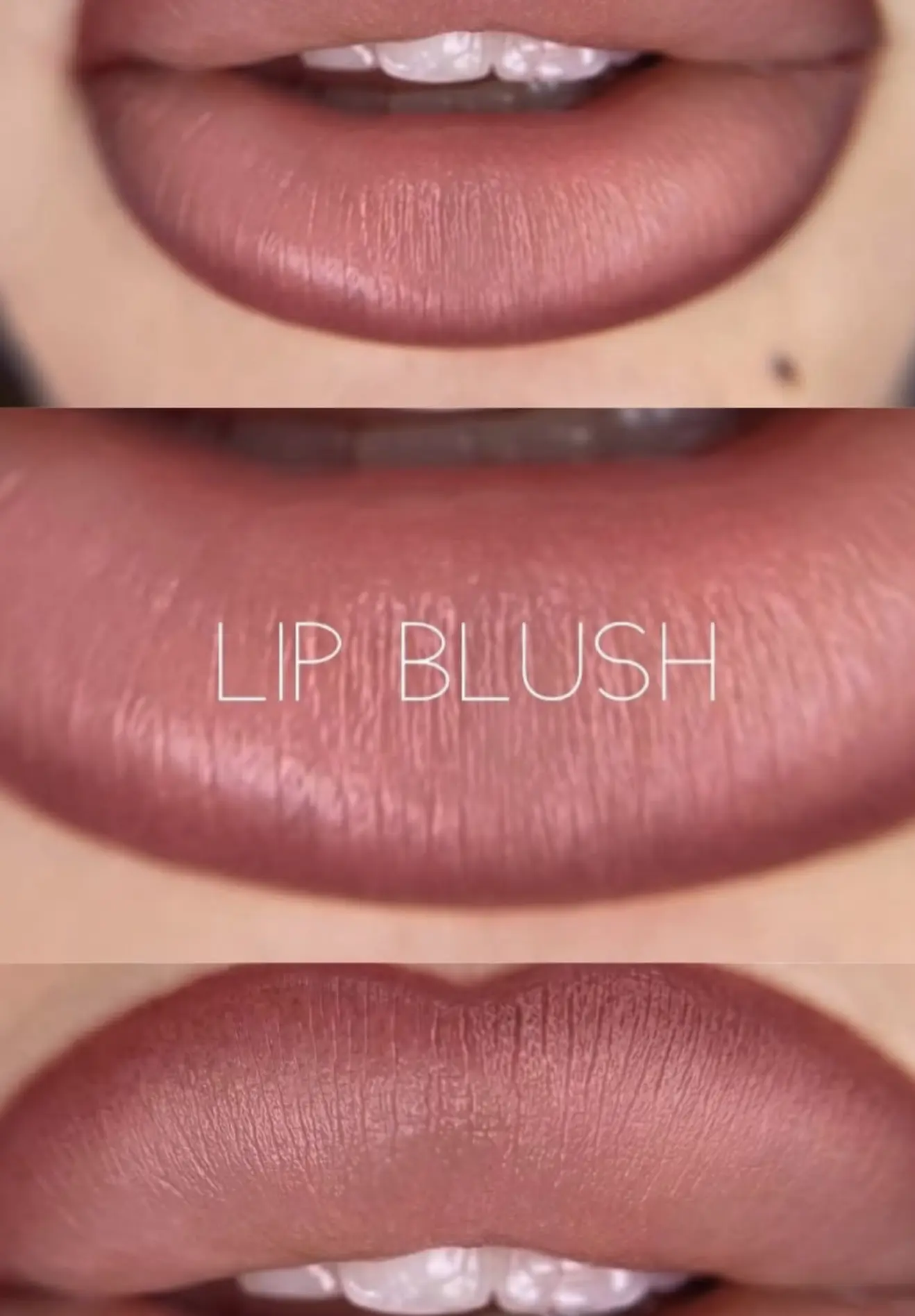

How can you check whether your tattoo pigments are AICIS-compliant? It’s one of the most important questions I get in the studio — and honestly, one of the most overlooked in the cosmetic tattoo industry.
I’m Olha Po, founder of Cosmetic Tattoo Studio Melbourne Face Figurati, and I’ve spent nearly a decade getting my hands dirty with tattoo inks. And the truth is: not all pigments used for cosmetic tattoo or body art are created equal. Some will look great on Instagram, but completely fail to meet Aussie safety standards.
In Melbourne, we’ve got pretty strict regulations (and our clients are getting more and more clued up on them), so checking pigment compliance isn’t optional – it’s just part of doing the job properly. And whether you’ve gone through a microblading training course, a microblading brow masterclass, or a full cosmetic tattoo training program, you absolutely need to get a handle on this stuff.
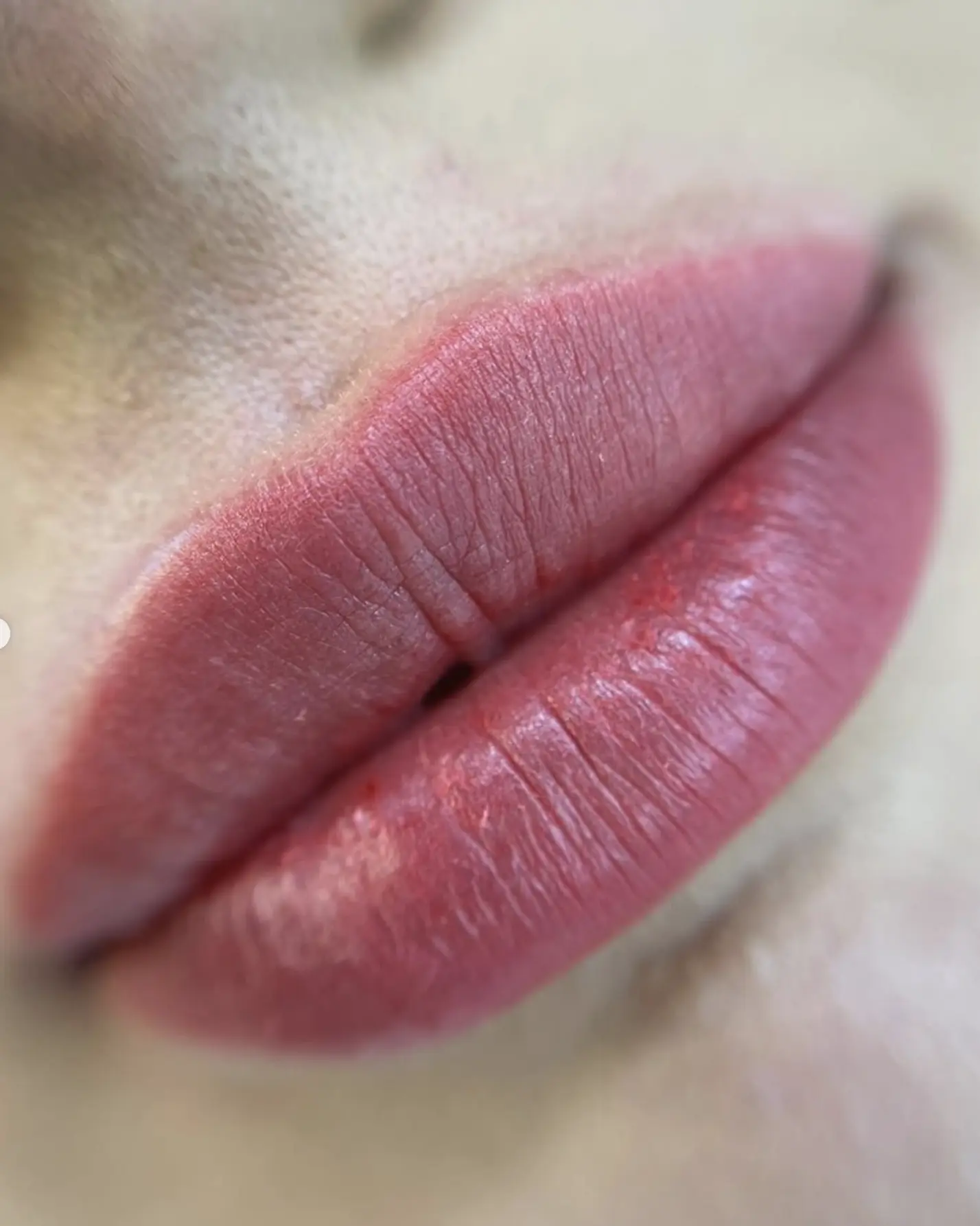
Why This Matters For Your Clients, Results, And Reputation
Pigment safety isn’t just a tiny detail hidden behind the scenes – it has a direct impact on how a treatment heals, how it settles and how long it lasts. If you get this bit wrong, the best technique in the world won’t save the day.
In Australia, the pigments used in cosmetic tattooing are governed by the Australian Industrial Chemicals Introduction Scheme (AICIS), which regulates all the industrial chemicals you find in consumer goods (including tattoo inks).
What I see in the studio all the time is:
- When the chemical composition is unknown, you can expect a wild ride for the client.
- Cheaper tattoo inks can sometimes contain heavy metals or other toxic substances.
- And then there’s the pigment stability, which can cause some pretty nasty colour shifts and skin irritation.
I’ve lost count of the number of cases I’ve seen where the real problem wasn’t the technique, but the quality of the pigment we were using – and that’s where Cosmetic Tattoo Studio Melbourne Face Figurati comes in.
Start With Your Supplier
The first place to start is with your supplier – and if they can’t confidently answer your compliance questions, then you might need to think about looking elsewhere.
You should always be able to confirm that your supplier has:
- The ingredients listed on the AICIS inventory (so you can check they’ve got the govt tick of approval).
- The product has been properly registered under Aussie regulations.
- Documentation available – not just promises.
I’ve seen artists go for brands that are popular or trending in classes (like lip-tattoo or fine-line-tattooing courses) rather than actually checking whether the thing meets the regs. Doesn’t work like that.
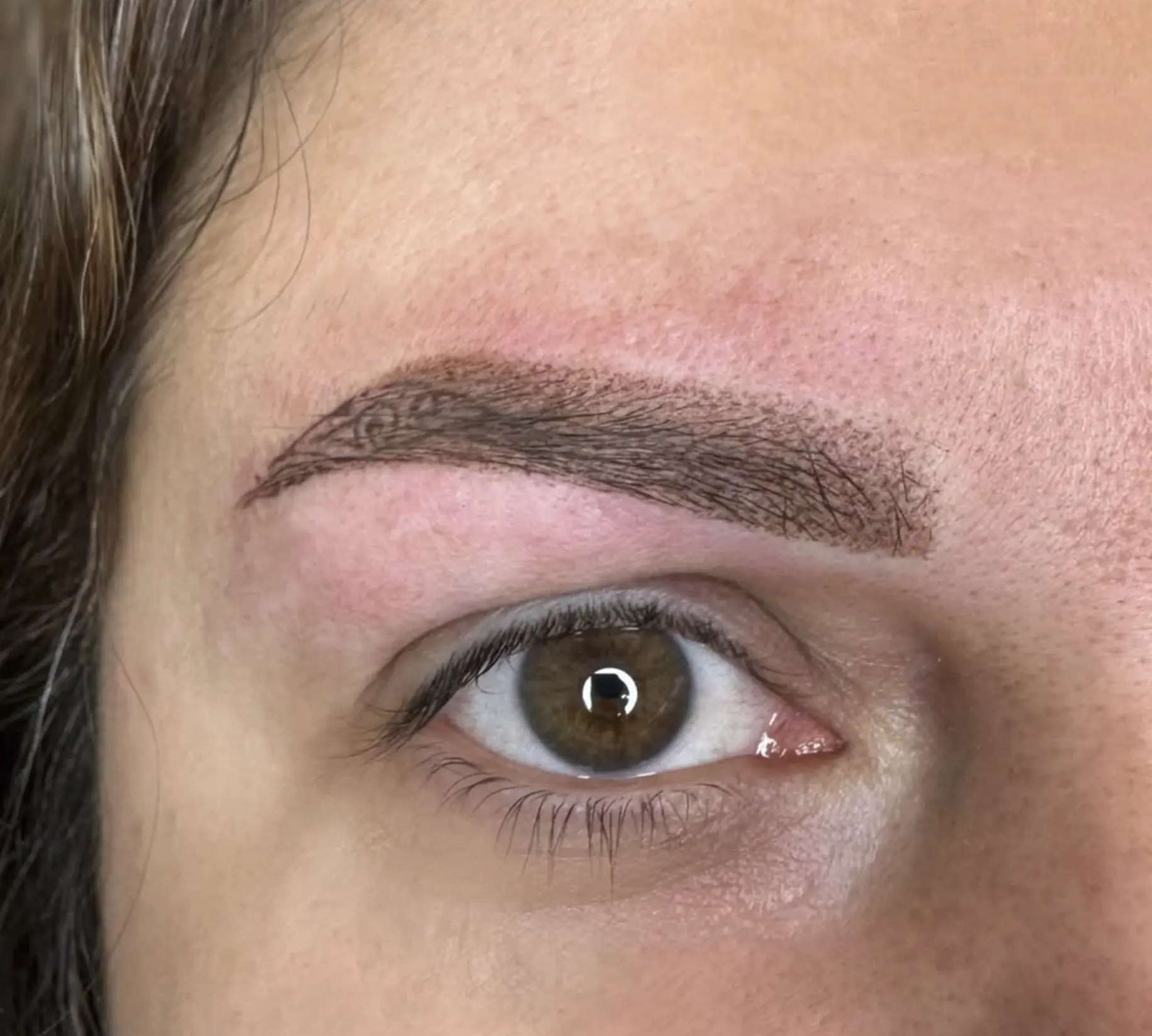
Reading Safety Documentation Without Getting Lost In It
A Safety Data Sheet (SDS) is a super useful tool – if you know what to look for. Focus on the bits that matter:
- Can you see a clear list of what’s in the ink (not just a vague description)?
- Are there any bad guys in there – like carcinogenic substances or chemical byproducts?
- Is it properly classified and handled?
If the SDS looks like it’s been dumbed down to the basics, then it’s probably not enough. In my studio, we review these things before we even think about introducing a new pigment – it’s just part of how we do things at Cosmetic Tattoo Studio Melbourne Face Figurati.
Understanding What’s Inside The Pigment
You don’t need a degree in science to make informed choices, but you do need to be in the know.
When shopping for top-notch pigments, you’re looking for the works:
- A transparent breakdown of the chemical composition.
- A clear reference to the colourant index.
- Some kind of evidence that the product has been tested or analysed – not just some fancy marketing spin.
Some colour manufacturers are using advanced testing techniques to detect heavy metals such as mercury sulphide. If a supplier goes to that much trouble to get the science right, you can bet they take safety seriously.
But if that info is nowhere to be found, then you’re basically flying blind – and that’s not what you want when you’re working with a client’s face.
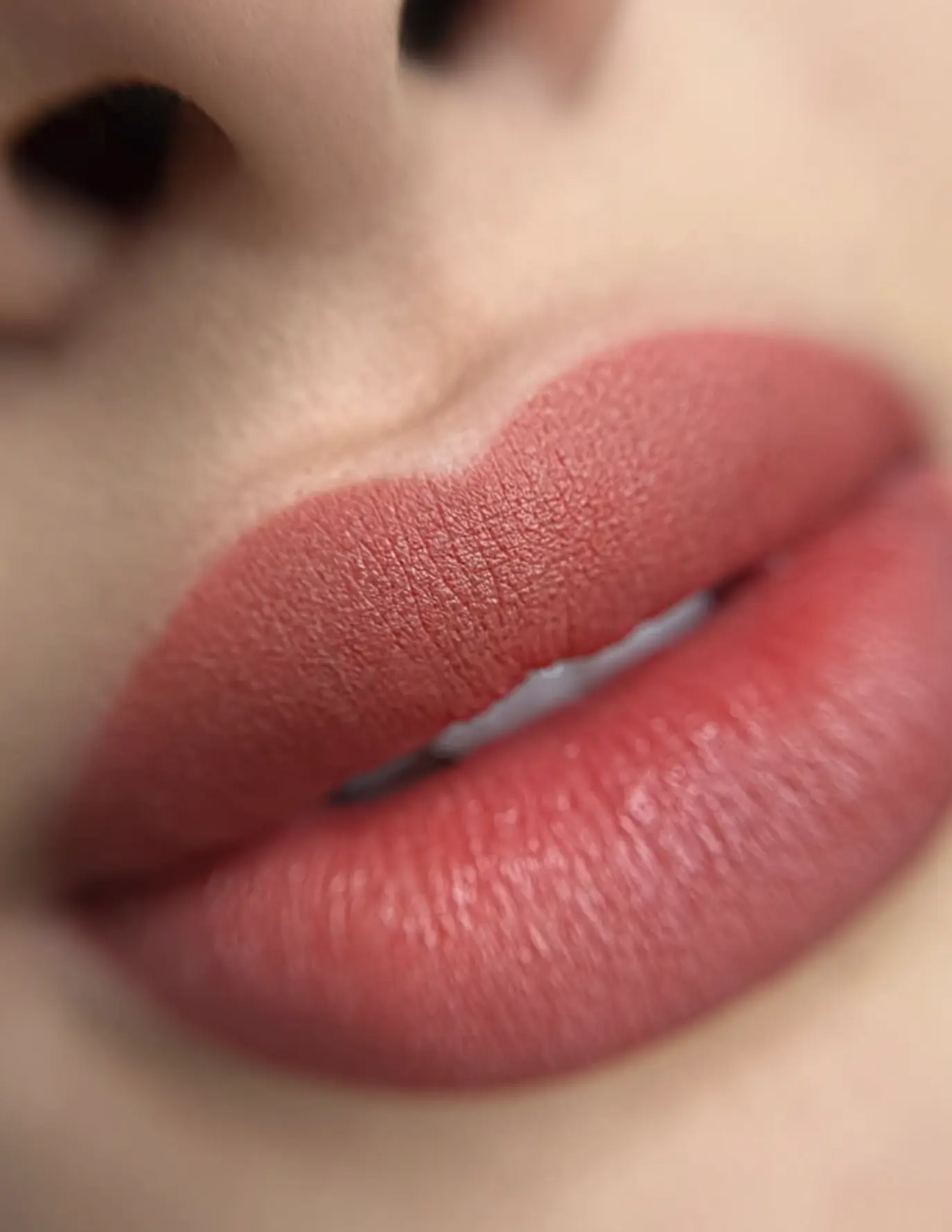
Ingredients That Should Raise Immediate Concern
Over the years, I’ve picked up on a few red flags to watch out for. If you notice any of these, slow down before using the product.
Be careful if:
- The pigment uses dyes that are neither transparent nor upfront.
- The brand is dodgy about how the formula behaves over time, or what might happen to it later on.
- They refuse to discuss potentially toxic substances or just fob you off.
- There’s no straight talk about any chemical byproducts you might be dealing with.
These are issues that go way beyond initial results – they can actually make things much harder down the line, whether you’re dealing with laser removal or cosmetic tattoo removal. Pigment breakdown is a big deal in this area.
When The Responsibility Falls Back On You
This is where things start to get serious for business owners.
Under the law, it’s the manufacturer or importer who’s supposed to make sure they’re playing by the rules. But if you’re buying pigments from overseas and reselling them here, things can get a little fuzzy.
That means:
- You, the salon owner, may end up carrying the can for any non-compliance issues.
- It can even affect your insurance – so you’d better know what you’re getting into.
- And if things go wrong, you’ll be the one being held accountable.
I’ve seen plenty of salon owners get caught out by this, only to wish they’d done their homework a little earlier. The safest bet is to do business with suppliers who actually know what they’re doing when it comes to Aussie standards.
Quick Compliance Checklist
Here’s a table I use when reviewing pigment brands:
| Checkpoint | What To Look For | Red Flag |
|---|---|---|
| AICIS Status | Confirmed listing or introduction | “We follow EU rules only” |
| SDS Provided | Detailed, ingredient-specific | Generic or missing |
| Ingredient Transparency | Full chemical composition disclosed | “Proprietary blend” |
| Heavy Metal Testing | Verified via lab analysis | No testing proof |
| Labelling | Meets Australian labelling requirements | Missing hazard info |
| Supplier Support | Clear answers, documentation | Avoids compliance questions |
Long-Term Effects Of Poor Pigment Choices
It looks like everything is going fine in the short term, but it’s what happens months down the line that really paints a picture.
If you use low-grade or non-compliant pigments, the consequences will catch up with you sooner rather than later – including:
- Patchy or inconsistent healed colour
- Increased sensitivity or cytotoxic effects
- Migration of pigment particles into lymph nodes
- Complications if the client later chooses removal
But that’s not all – combine those risks with a bit of sloppy hygiene, and you could be inviting all sorts of bloodborne diseases, such as Hepatitis B and C, into your life. Simple things like reusing ink caps, not cleaning your equipment properly and ignoring the basic hygiene standards are just about the worst things you can do.
At Cosmetic Tattoo Studio, we avoid all these risks by adhering to strict protocols, including single-use needles and a controlled environment run like a precision machine.
A Real Client Case From The Studio
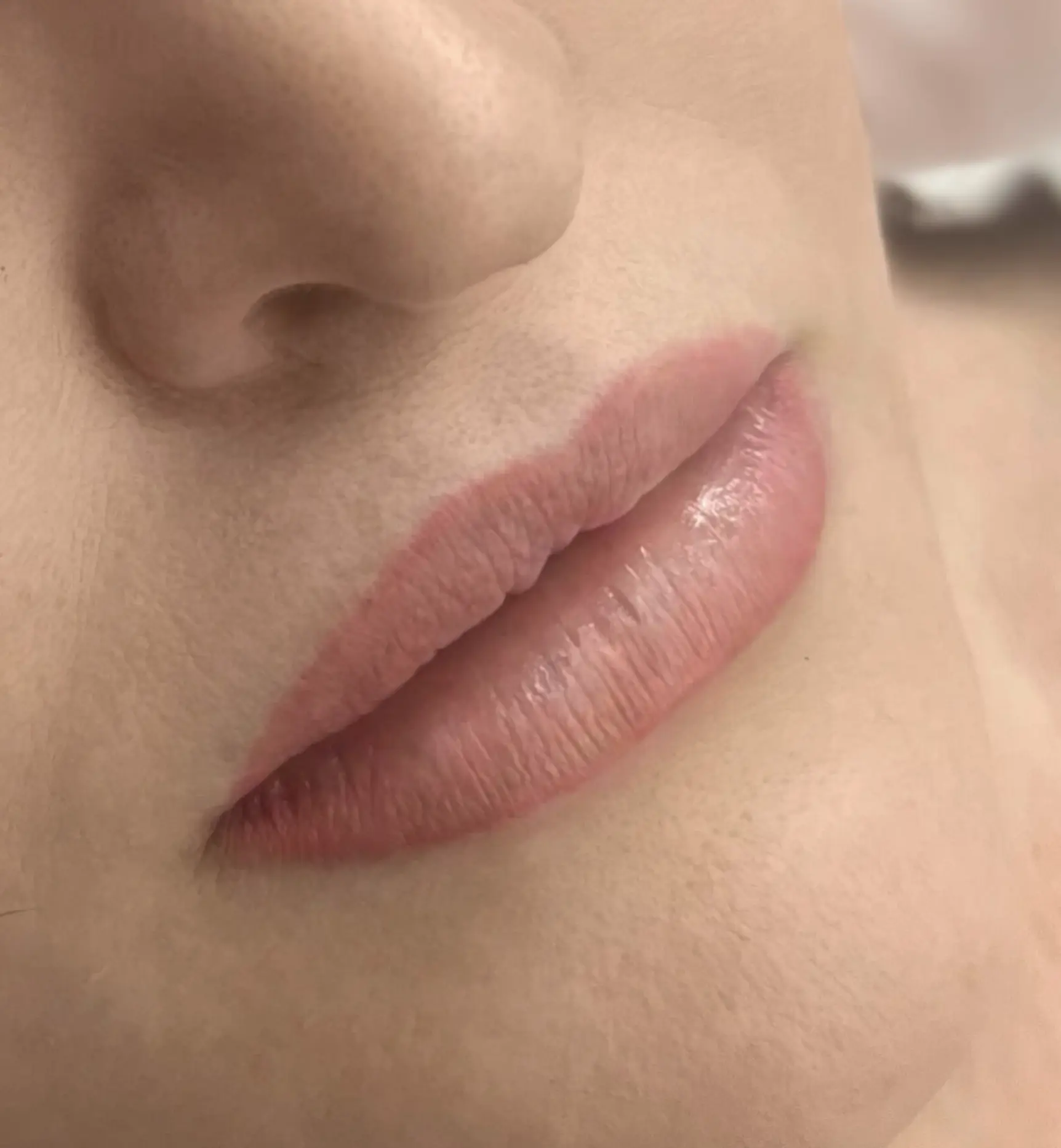
I had one client come to me with a lip blush correction that had gone very wrong. The colour looked all wrong and had turned drab. I dug into the pigment that had been used and found a load of issues – no documentation, no clear breakdown of the ingredients and zero evidence that it had been compliant.
Fixing the problem wasn’t easy, but I managed to achieve a good result using higher-quality pigments. The healing was a whole different story – even tone, better retention and no irritation at all.
This is something I always bring up when I’m talking to newbies about lip tattoo courses – the real results are always more important than any theoretical malarkey.
Why Melbourne Conditions Put Extra Pressure
You think Melbourne’s weather is a bit unpredictable – but that’s a major factor in how well your pigment will behave.
What I see is:
- Dry, cooler months make skin recovery a nightmare
- Plenty of UV radiation, which knocks the colour right out of your skin
- And the seasons are just changing so fast, it’s like they’re out of control
All of these factors will affect how well micro- and nanoparticle pigments settle into the skin.
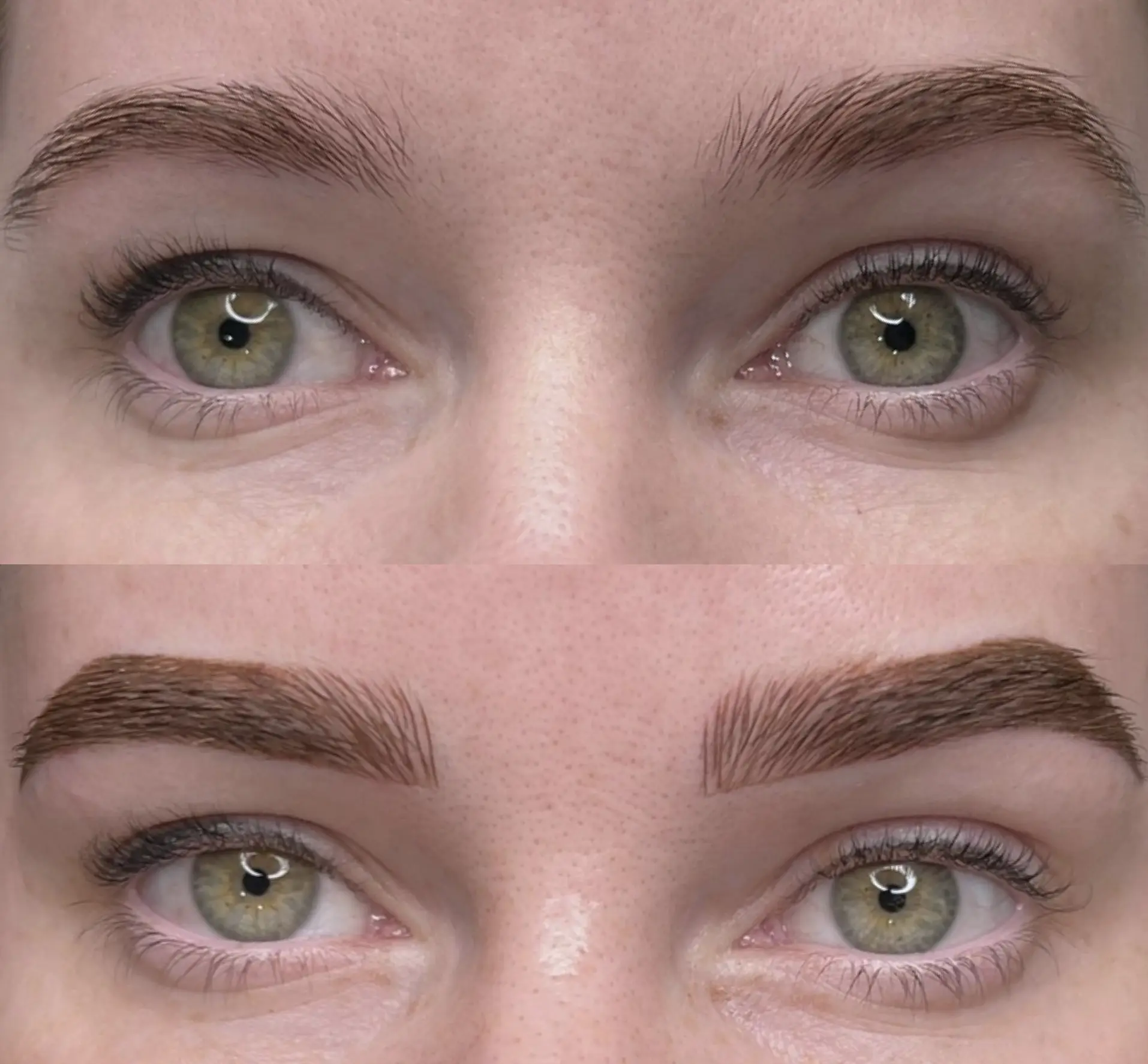
Quality is key here – better pigments can handle all this nonsense, whereas the cheap ones will start to fade unevenly or shift tone in no time – which is exactly what I see all the time when I get called in to do correction work.
Why This Topic Still Isn’t Taught Enough
This is something I really get fired up about.
Courses – even the more advanced ones like microblading training or the full microblading brow course – always focus on technique. But getting a proper handle on pigments and colour chemistry gets left to the side.
At Cosmetic Tattoo Studio Face Figurati, we think this is huge because it directly affects the results, it reduces the risks, and it builds trust with the client. You can get by with a bit of luck and a few tricks up your sleeve, but you need knowledge to stay in the game.
The technique will get you started, but it’s the knowledge that will keep you in the industry for the long haul.
Final Thoughts: The Standard You Set Defines Your Work
One thing I want you to take away from the lot — is this: don’t assume anything when it comes to pigments. Just because they look good on paper doesn’t mean they are safe, let alone good quality.
At Cosmetics Tattoo Studio Melbourne, the products we use at Face Figurati are carefully selected. Not just because they look good, but because they are safe, meet the regulations, and actually do what we need them to over time.
Because in this business – and let’s face it, in a lot of businesses – your reputation isn’t made on how things look on the first day – it’s made on how they stand the test of time – how they heal, last, how they hold up months down the line.
FAQ
Are popular pigment brands automatically safe to use?
No way. Just because everyone else uses it doesn’t mean it’s safe. You always need to check the fine print.
What’s the clearest sign a pigment isn’t trustworthy?
The biggest red flag is a lack of transparency. If you can’t work out what’s in it or verify that it’s compliant, it’s probably best to give it a miss.
Can pigment quality affect healed colour?
Absolutely, it can. If you use poor-quality pigments, they can heal all over the place, or they can even change tone.
Do pigments behave differently during removal procedures?
Yes, they can. Some of them can be really tricky to remove because they break down unpredictably, which makes things even more difficult.
Should extra care be taken with sensitive clients?
You absolutely do. You need to make sure you’ve assessed their needs properly, and if you’re ever in doubt, then do a patch test to be on the safe side.