
Great Ocean Road tour option that gets you to “Inland route from Wye River to Apollo Bay for SUVs?” — short answer is: yes, it’s a great option, but you’ve got to be smart about it. Stick to the right tracks, watch the weather conditions, and don’t put all your trust in your satnav – I mean, it’ll send you down some pretty dicey goat tracks if you let it. I’ve driven this stretch of road through the Otway Ranges more times than I can count, and doing it the inland way through the Great Otway National Park is so much cooler – quieter, greener, and a bit more of an adventure. The only problem is, you can’t just wing it without knowing what you’re doing.
This guide gives you the nitty-gritty on how to do the road trip through the Otways like a pro – whether you’re driving solo or adding it to a bigger Melbourne to Great Ocean Road tour with a company like Autopia Tours. No fluff, just the kind of down-and-dirty info you need to know.
Escape The Crowds And See The Otways Properly
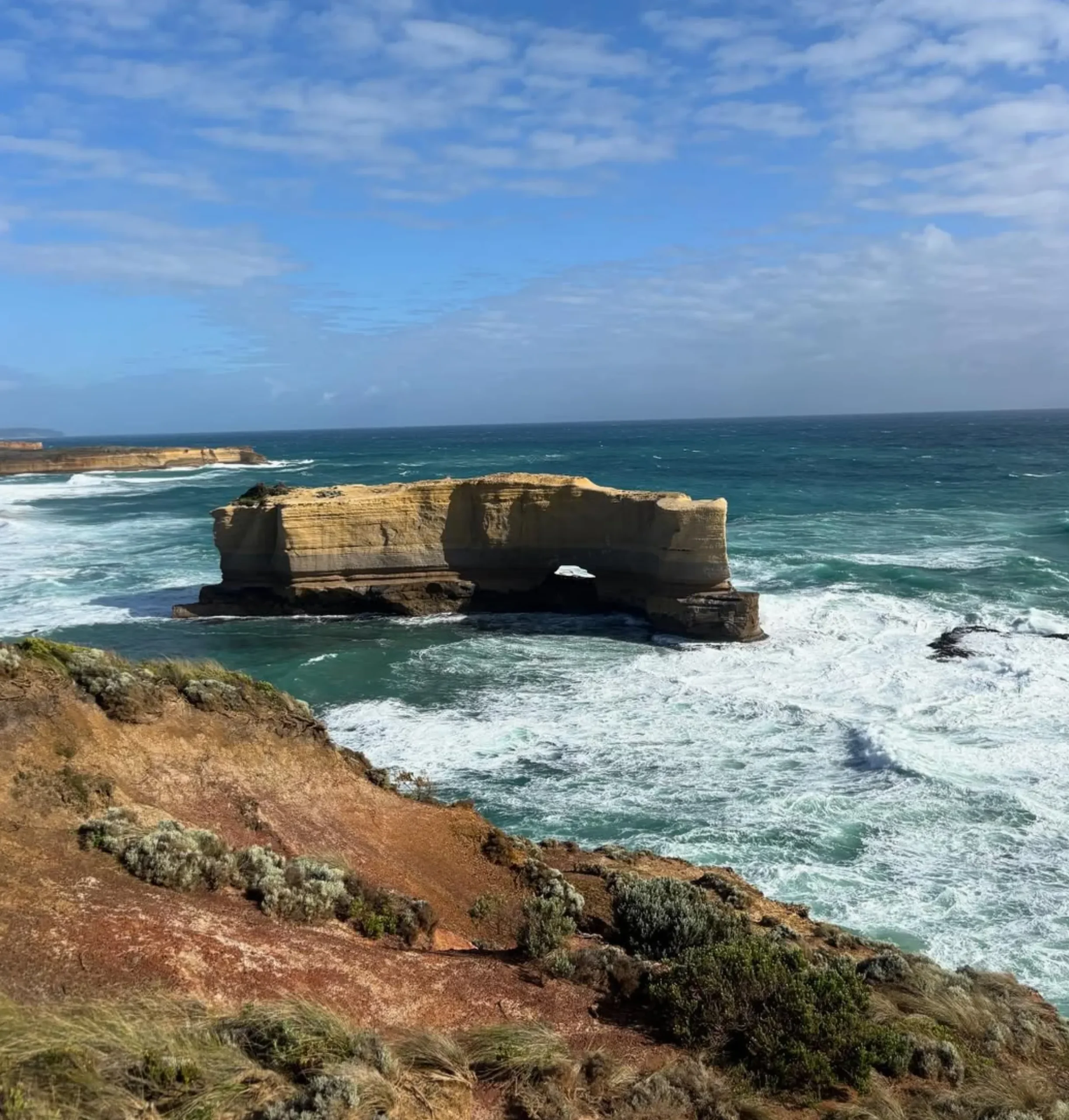
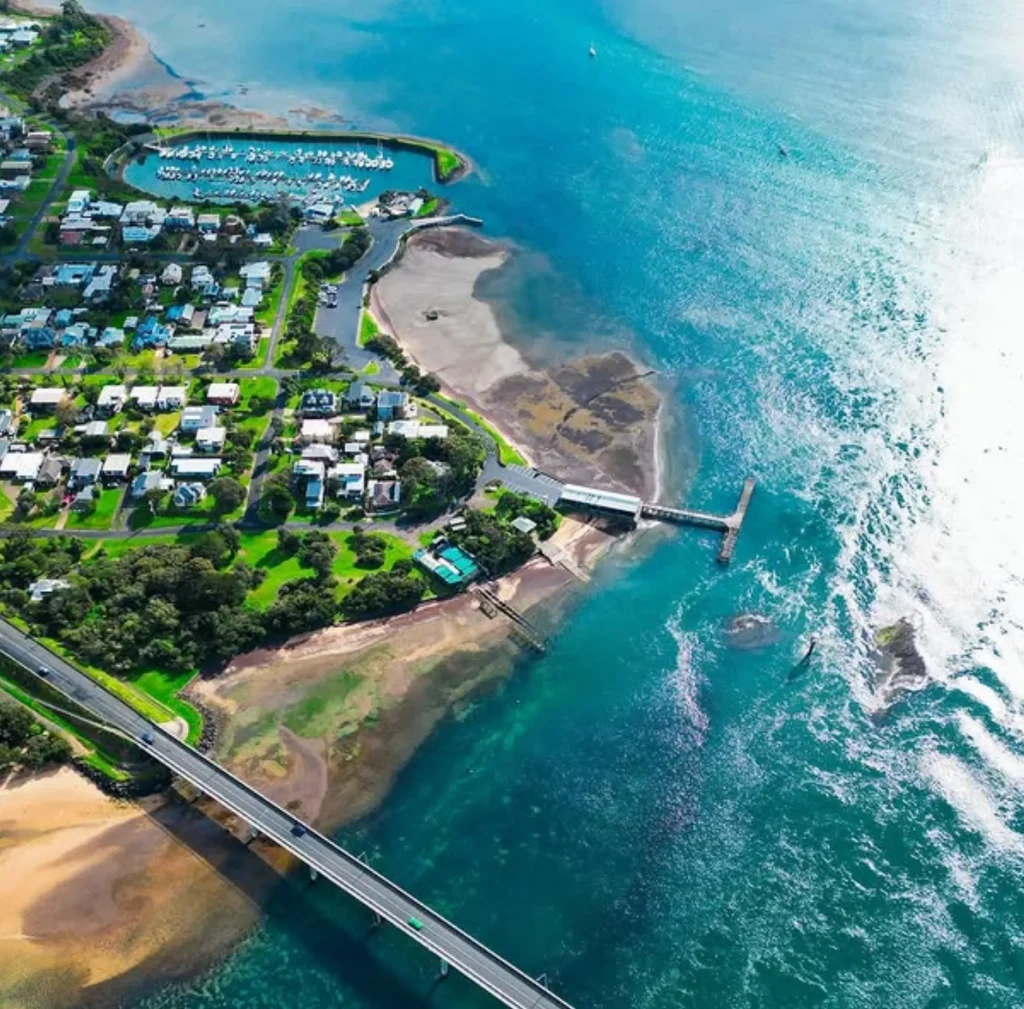
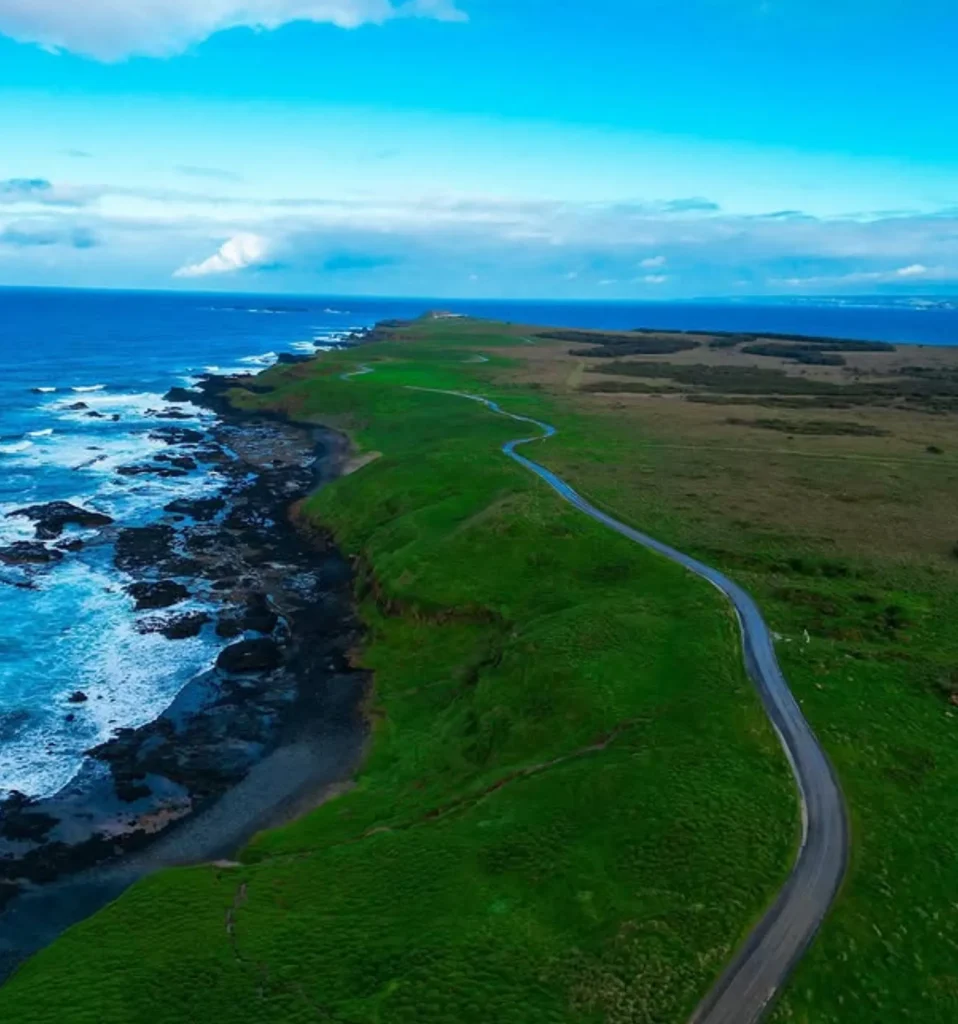
The bit between Wye River and Apollo Bay along the coast is pretty mind-blowing, I’ll give you that. You’ve got those awesome views over the Southern Ocean, great spots to pop out at Kennett River, and Separation Creek is just a nice little spot to take a breather.
But as for heading inland? Well, it’s a whole different kettle of fish.
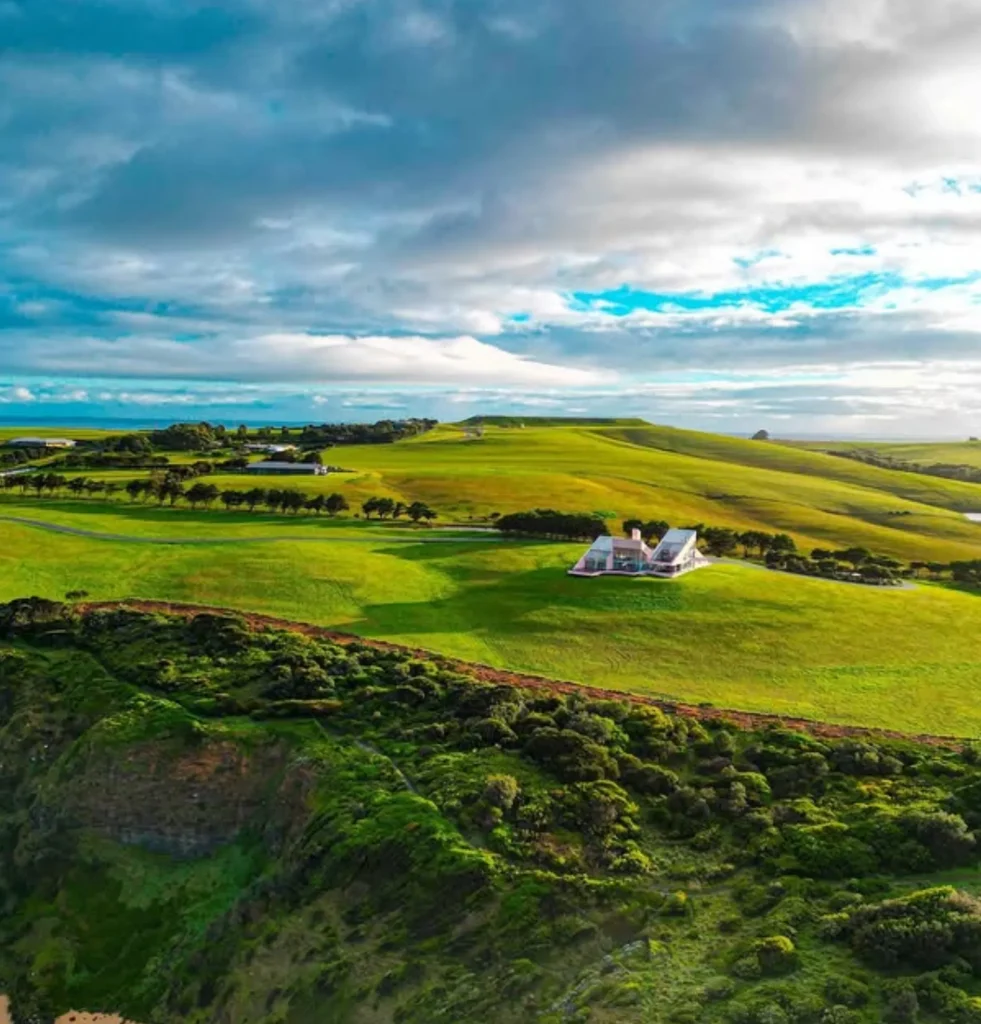
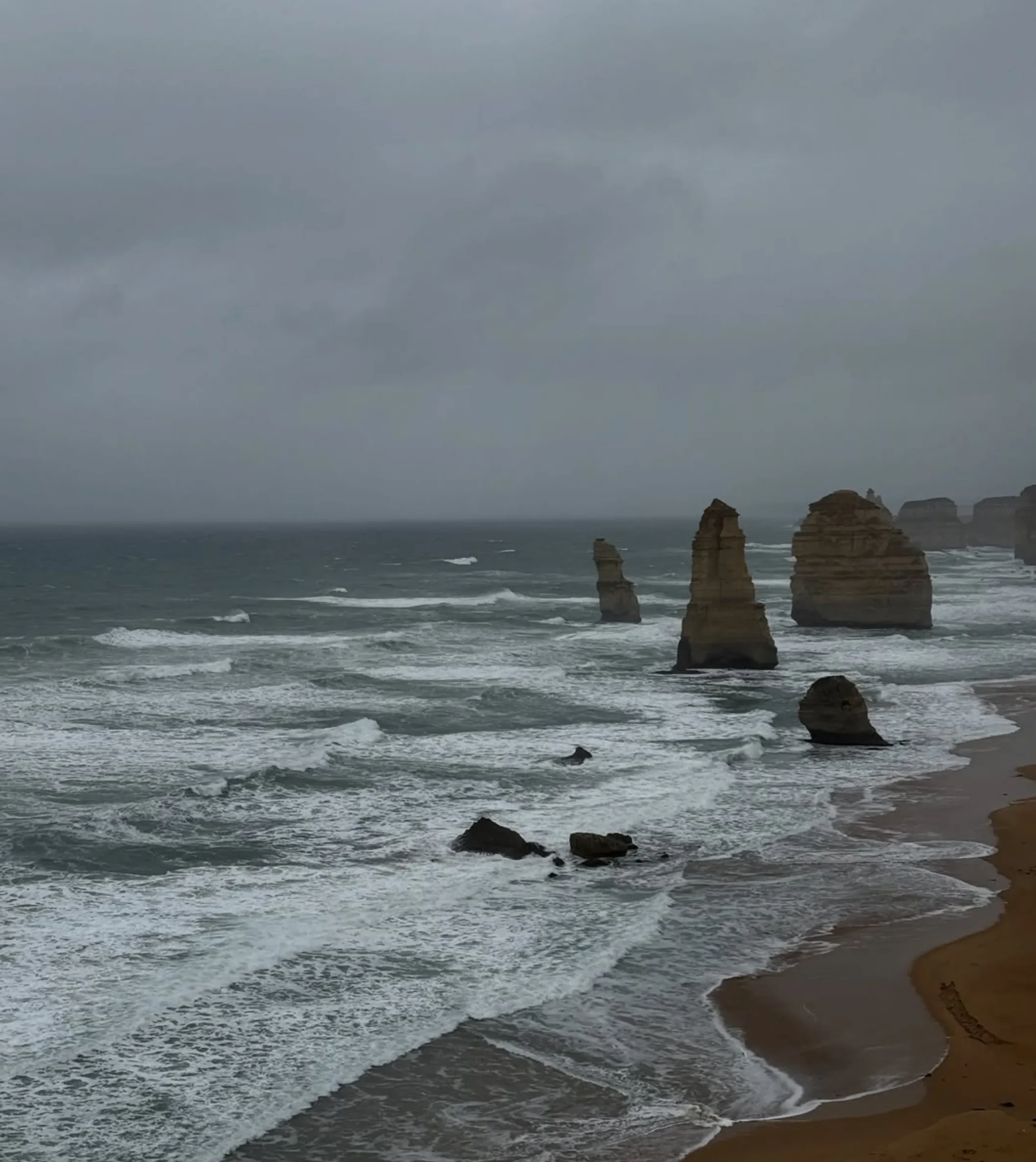
You leave the bus loads and packed car parks behind and enter the Otway Forests, where the air is a bit cooler, the roads get narrower, and the pace of life just naturally slows down a bit. It’s one of those drives that makes you remember this place is more than just the Shipwreck Coast or the 12 Apostles – there’s a whole other side to this region that most people just zip past.
If you’ve ever done one of those Great Ocean Road tours, you might have just zoomed past this bit without even realising it was even there.
The Inland Route That Actually Makes Sense For SUVs
There are a few ways to cut inland, but most of them either get too rough or just aren’t that reliable. This one I’m recommending is a good ‘un though – it’s got just the right amount of adventure and not too much trouble.
Route Snapshot
| Section | Road | Surface | Notes |
| Wye River → Separation Creek | Great Ocean Road | Sealed | Short coastal start |
| Turn inland | Wye River Rd | Sealed → gravel | Climbs into the Otway Ranges |
| Forest stretch | Benwerrin–Mount Sabine Rd | Gravel | Through Otway Forests |
| Connect through the bush | Hordern Vale Rd | Mixed | Quiet, remote feel |
| Optional detour | Cape Otway Rd | Sealed | Access to Cape Otway Lightstation |
| Final stretch | Apollo Bay Rd | Sealed | Easy roll into town |
Distance: ~35–45 km Time: 1–1.5 hours, depending on conditions
This inland route cuts through the heart of the Otways — a section often skipped on a typical Great Ocean Road tour in Melbourne, where most itineraries stay glued to the coastline.
What You’re Actually Driving Into
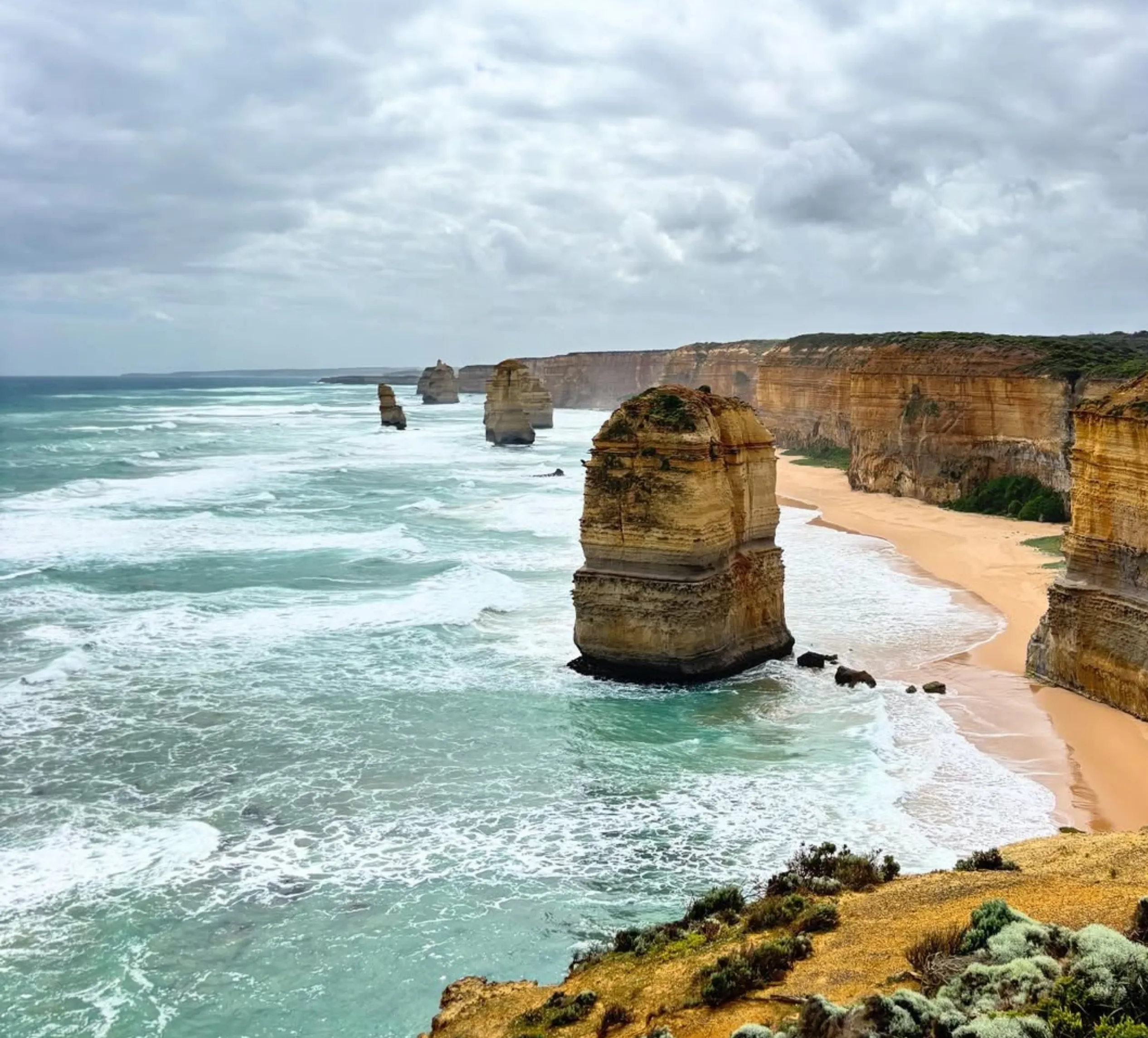
You think this is going to be a breeze. Easy sailing. But before you know it, the road narrows, the canopy closes in, and suddenly you are deep in the Otway Forests, miles from the postcard stops like the Twelve Apostles or Loch Ard Gorge.
So be prepared for:
- Some hairpin bends that’ll get your heart racing
- Gravel sections that’ll try your mettle
- Some damp patches that’ll stick around even when it’s dry
- Bits of debris after a storm has blown through
I’ve had some close calls myself after a storm had passed. I hit a bit of the road that looked okay, but was actually slick clay. Nothing too dramatic happened, but it kept me on my toes.
This is proper driving, not some cruisey coastal run. It’s not difficult, but you still need to be paying attention – and not just on most Great Ocean Road tours from Melbourne, which stick to the sealed roads.
Vehicle Suitability And Driving Reality
Most SUVs will handle this route with ease – as long as the driver has their wits about them.
AWD is a help, especially in wet conditions, but it’s not essential. What really matters is clearance. If your vehicle scrapes on speed humps, then this road is not for you.
You don’t need to go out and get recovery gear or off-road mods. Just make sure you have:
- Good quality tyres that can handle what the road throws at you
- A full tank of petrol (you won’t find many inland petrol stations)
- The confidence to handle narrow, twisty roads
If that sounds like a bit of a stretch, then maybe consider getting someone else to do the driving for you. Operators like Autopia Tours run structured itineraries, with a Great Ocean Road tour 2 days option that gets you to inland highlights without the associated stress.
Seasonal Conditions That Change Everything
The Otways are one of those places where timing really matters.
Summer is nice and dry, but also brings the risk of bushfires – so be sure to keep an eye on the forecast before heading out. Autumn is actually the best time of year – good conditions, cool temperatures and decent visibility through the forest.
Winter is where things get a bit more interesting. Rain turns the road into a mudbath, and you’ll need to drive accordingly. Waterfalls like Hopetoun Falls and Erskine Falls are actually at their best then, but you need to be driving in the conditions. Spring is a bit of a mixed bag, with lush greenery but also the occasional washout after a heavy downpour.
If it’s been raining for days, take the hint – stick to the sealed coastal run past Lorne Beach and Kennett River, just like most Great Ocean Road tours from Melbourne do – and for a good reason.
Wildlife, Hazards, And Staying Alert
Driving through the Otway Ranges is not exactly a solo affair.
You’ll encounter all sorts of wildlife, including kangaroos and wallabies – especially early morning and late afternoon. And then there are the koalas – slow movers, but not always predictable at that. And yes, there’s even the odd mozzie that’ll follow you around no matter the season.
You’ll also need to watch out for:
- Fallen branches after a windstorm
- Damp corners that stay slippery all day
- The occasional forestry vehicle
And of course – mosquito season doesn’t really exist in the Otways – they’re always keen!
Navigation Tips (Because GPS Will Betray You)
Most travellers stumble at this point.
Do This
- Get yourself some offline maps, so you don’t have to worry about signal.
- Stick to the main roads like Wye River Rd and Benwerrin routes – much safer that way.
- Always double-check your directions before you commit to a route.
Don’t Do This
- Don’t go wandering off down random forestry tracks – you’ll end up lost.
- Don’t assume all routes will connect – some dead-end pretty sharpish.
- And of course, don’t rely on getting a signal – you won’t have any anyway.
I’ve seen GPS try to route you via the Kennett Jeep Track – that one’s good if you know what you’re doing, but otherwise it’s a nightmare for casual SUV travellers.
Local Stops Worth The Detour
If you can spare the time, these inland stops make this route properly worth it.
Quick Stop Options
- Maits Rest Rainforest Walk – a short loop through really ancient forest.
- Otway Fly Treetop Walk – definitely worth the detour for the views.
- Triplet Falls & Hopetoun Falls – classic stops on the Great Ocean Road that most people whizz past.
- Cape Otway Lightstation / Cape Otway Lighthouse / Cape Otway Light Station – iconic, but be aware you’ll have to drive a bit further along the coast to get there.
These stops are the kind of thing that makes the inland route really special – they often get skipped on a fast-paced Great Ocean Road tour, but they’re pretty vital to the experience.
Safety, Responsibility, and Respect
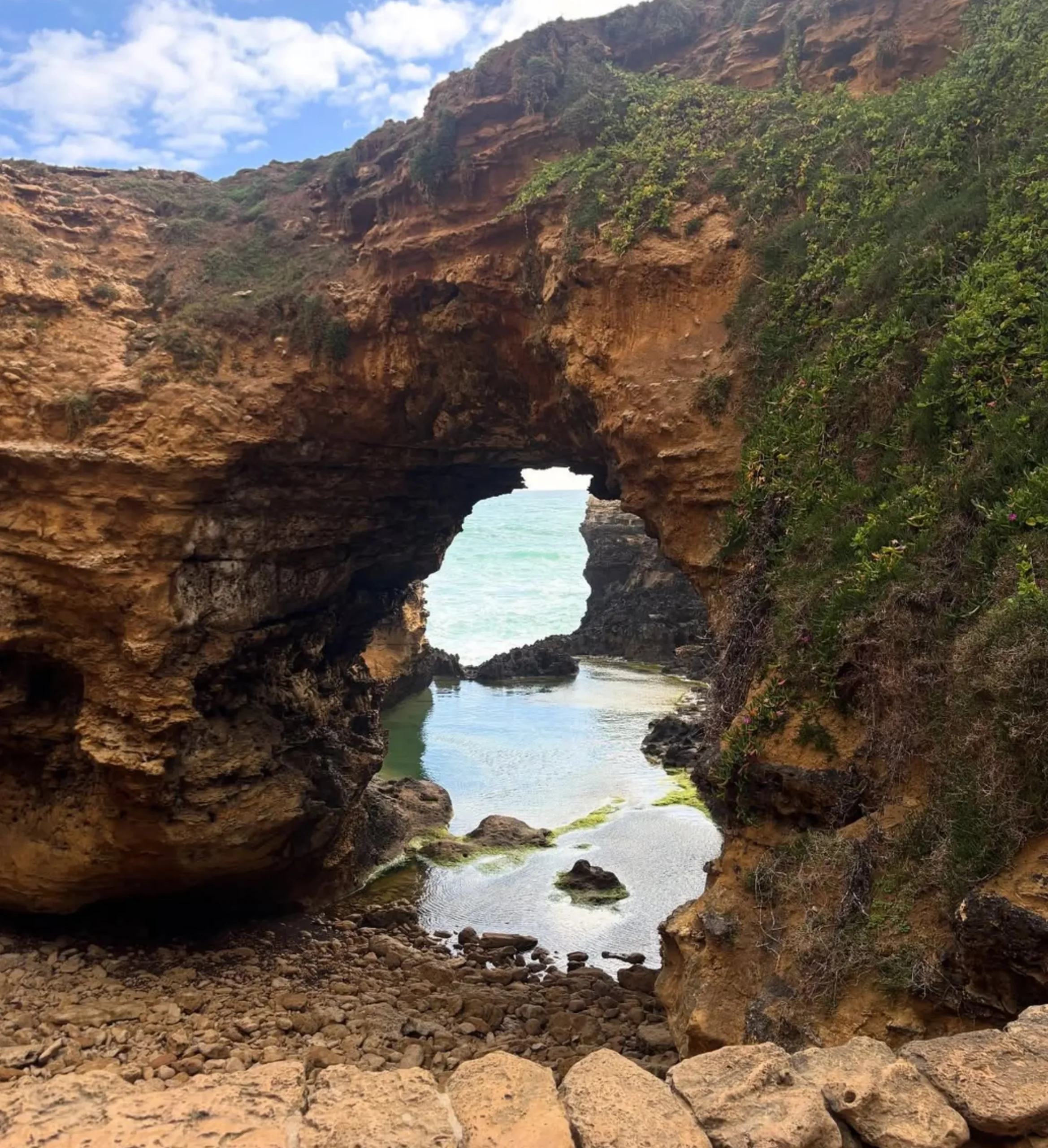
The Otways are a working forest, cultural land and a habitat – not just scenery.
- Stick to the marked roads, no wandering off.
- Keep an eye out for closures and fire warnings – safety first.
- Try to avoid driving at dusk when possible – it’s not a great time to be out on rough roads.
- And be mindful of the Traditional Owner heritage – the Traditional Owner heritage – the Koorie Cultural Trail is an important piece of history.
Travel isn’t just about ticking off the major sights like the Twelve Apostles; it’s about moving through the landscape properly.
Final Word From Paul
If you’re in a 4WD and want to get a look at more than just the postcard version of the Great Ocean Road, this inland route from Wye River to Apollo Bay is the way to go.
You’ll miss the crowds heading for London Arch, Port Campbell National Park and the usual highlights, and instead get a proper run through the beautiful Otway Forests.
Whether you’re self-driving or adding it as a variation to an Autopia Tours Melbourne to Great Ocean Road tour, this is where the trip starts to feel like a journey rather than just a to-do list.
FAQ
Can a standard 4WD handle this route?
Yes, most can manage it in dry conditions – AWD is definitely ideal, but not always necessary.
Is the road fully sealed?
No, it’s a mix of sealed and gravel roads through the Great Otway National Park.
Is it safe after the rain?
It depends; the roads can get really slippery and muddy – always check the conditions before heading in.
Is this route faster than the coastal drive?
No, it’s usually a bit slower than the Great Ocean Road – but it’s a lot less crowded.
Do I need a permit to drive this route?
No, no permits are required for the main roads, but always check for any forestry activity before you head out.