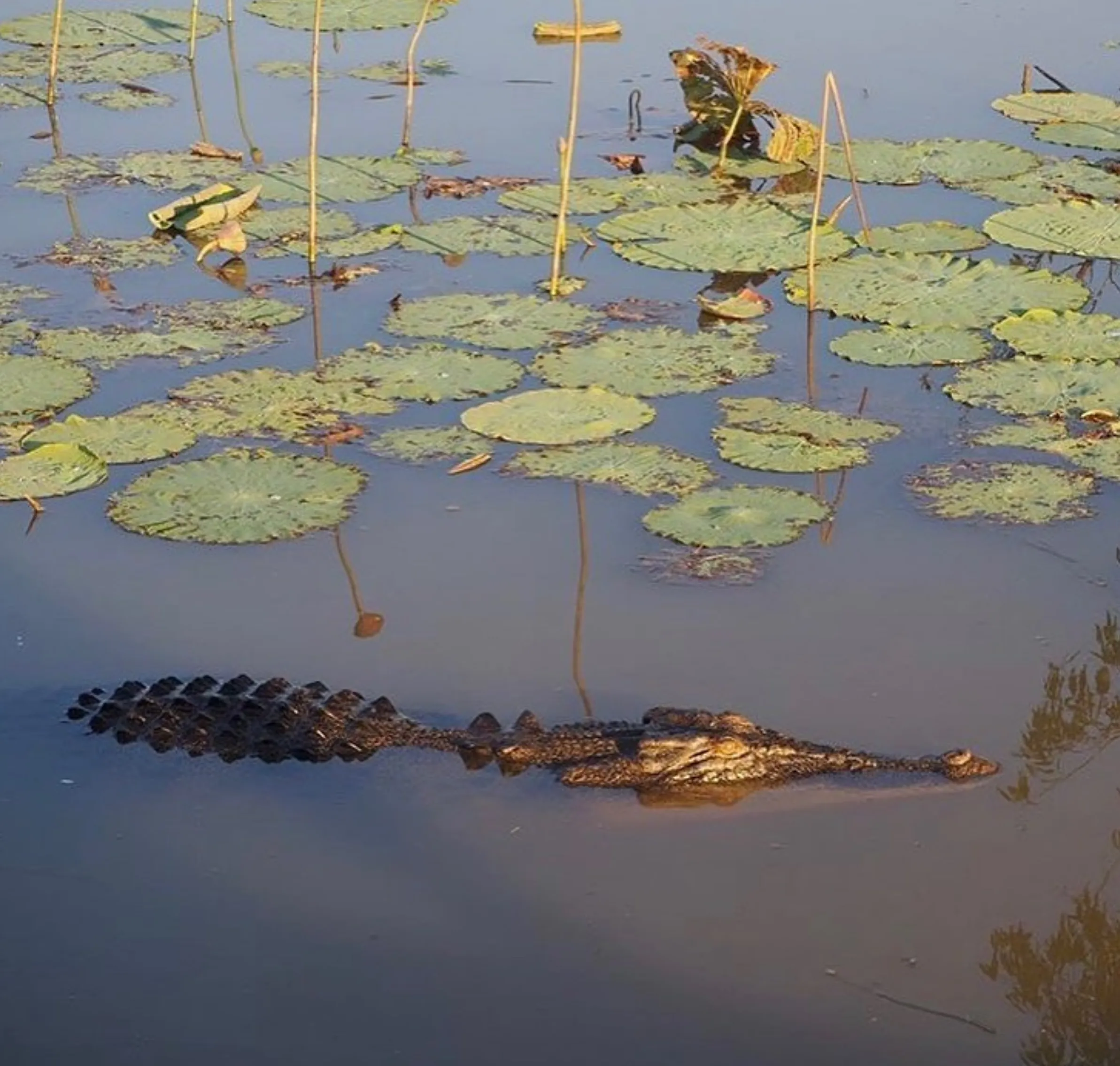

“Can you swim anywhere in Kakadu National Park?” is the first question I get asked when someone’s trip planning goes to the Top End. And fair enough too. It’s hot, it’s sticky, and when you’ve been bouncing along dusty roads, the sight of plunge pools or swimming holes can make you want to dive in headfirst. But here’s the blunt truth: not every swimming spot in Kakadu is a safe swim. Between saltwater crocodiles, seasonal flooding and cultural heritage considerations, you need to know exactly where you can dip your toes and where you should keep them firmly planted on dry ground.
I’m Paul Beames, and I’ve spent more than a few seasons guiding travellers through Kakadu’s tracks and waterways. I’ll give it to you straight — no brochure gloss. Let’s get into where you can actually swim, when it’s safe and how to read the fine print before you strip off for a dip.
Reading the Water: Not Every Spot is a Safe Swim
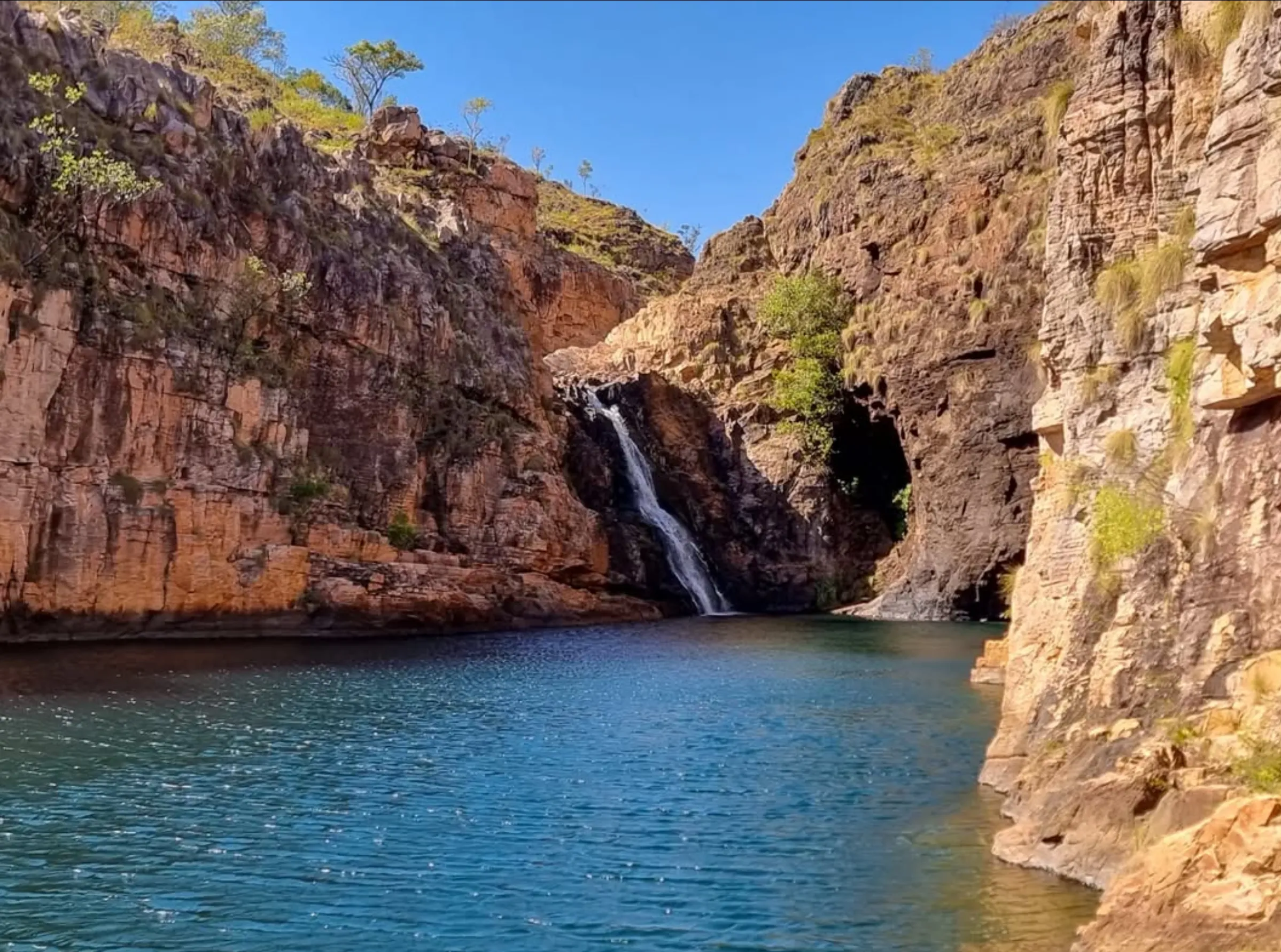
Before we get to the good stuff, let’s call out the obvious elephant – or croc – in the room. Kakadu is croc country. Saltwater crocodiles (salties) roam widely, especially in the lowlands, and they don’t play nice with swimmers. Freshwater crocs, which are generally less aggressive, aren’t ideal swim buddies. The wet season (November to April) turns Kakadu into a steamy mess of tropical storms, floods and swollen rivers. It’s spectacular with bird life soaring over monsoon forest and wild horses grazing nearby, but it’s also croc heaven. Most swimming areas are closed during this time, and the roads are cut off anyway.
Swimming isn’t banned across Kakadu, but it’s highly regulated. Parks Australia signs, ranger updates, crocodile surveys and local advice should always be your guiding lights. Ignore them and you’re not only risking your own skin but also disrespecting Traditional Owners who have managed this land, waterways and cultural heritage for tens of thousands of years.
Dry Season Relief: Where to Swim
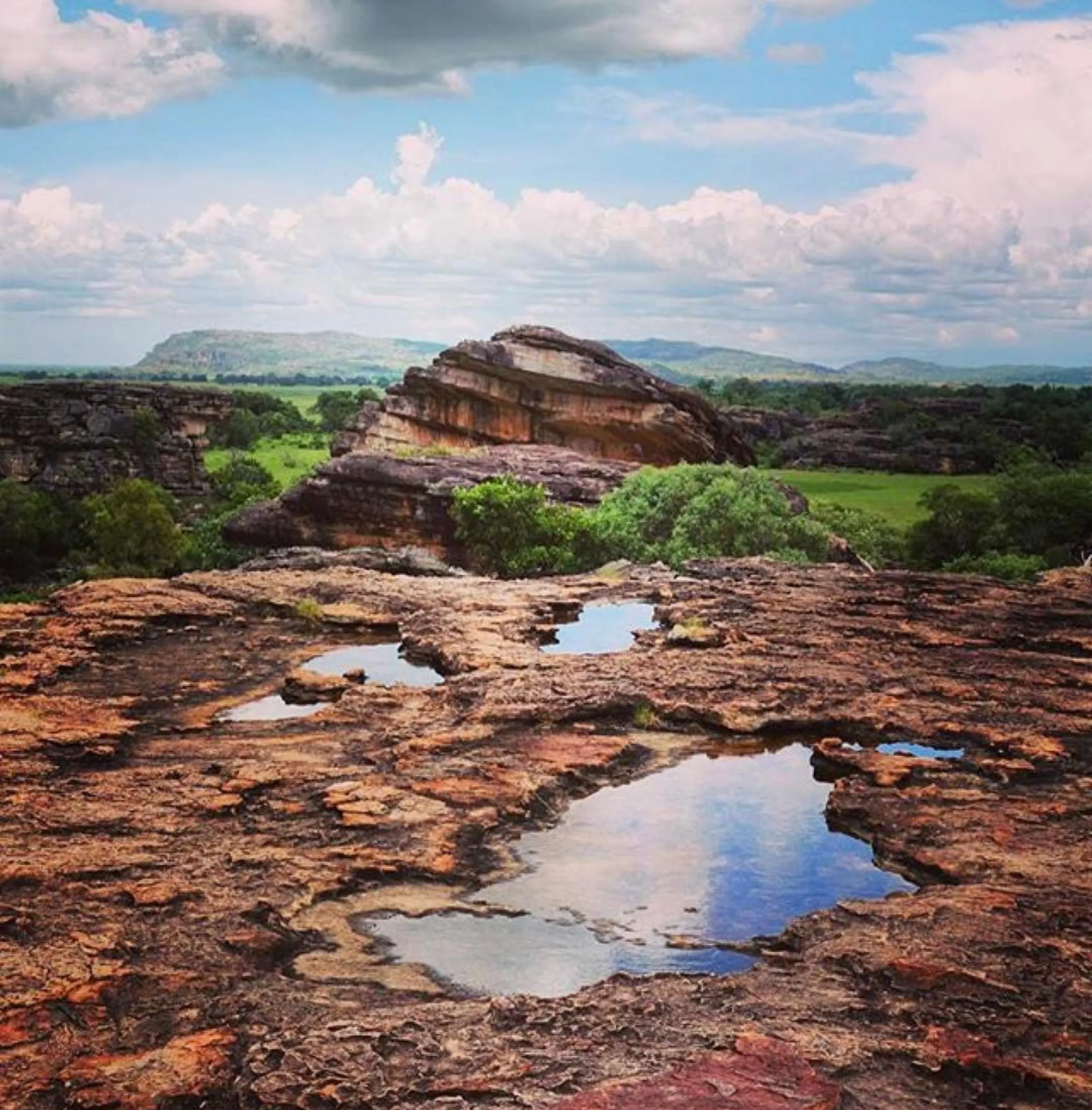
The wet season (November to April) is not the time to swim in Kakadu. It’s croc heaven, and most swimming areas are closed, and the roads are cut off anyway. So when can you swim? When the dry season (May to October) arrives, the waters drop, rangers are more active, and some swimming areas open up. If you’re going to swim, swim in the cooler, safer months. I promise you, there’s nothing better than peeling off your dusty clothes, putting on your water shoes and slipping into a rock pool after a day on the tracks.
Ranger-Approved Spots
So, let’s get to the good stuff. Where can you swim without ending up in the news? Here are the main safe swimming holes you’ll hear about in Kakadu:
Gunlom Plunge Pool
Up on the southern edge of the park, Gunlom is famous for its infinity-style plunge pool view — a natural rock pool overlooking the plains. You’ll need to climb past rocky platforms and lookouts to get there, but the payoff is pure magic. The lower plunge pool is usually safe too, but always check the signs.
Maguk (Barramundi Gorge)
Crystal clear waters, cascading falls and a short bushwalk through monsoon forest to get there. This one’s a personal favourite because the track keeps numbers down. Swimming here feels like a reward you’ve earned, surrounded by vertical cliffs and the occasional rainbow bee-eater flying overhead.
Jim Jim Falls (Dry Season Only)
Only accessible by four-wheel drive, Jim Jim is no casual stopover. But if you make it, the towering cliffs and deep plunge pool deliver one of Kakadu’s most iconic swims. The catch? It’s only open in the dry when rangers give the all-clear after crocodile capture programs and water quality checks.
Motor Car Falls
One of the quieter dry-season swimming spots. Smaller, shaded and often overlooked, which makes it perfect if you’re looking for serenity away from the tour bus crowds. Guided tours often stop here to share stories of local bird species and cultural heritage.
Places to Avoid: Don’t Even Think About It
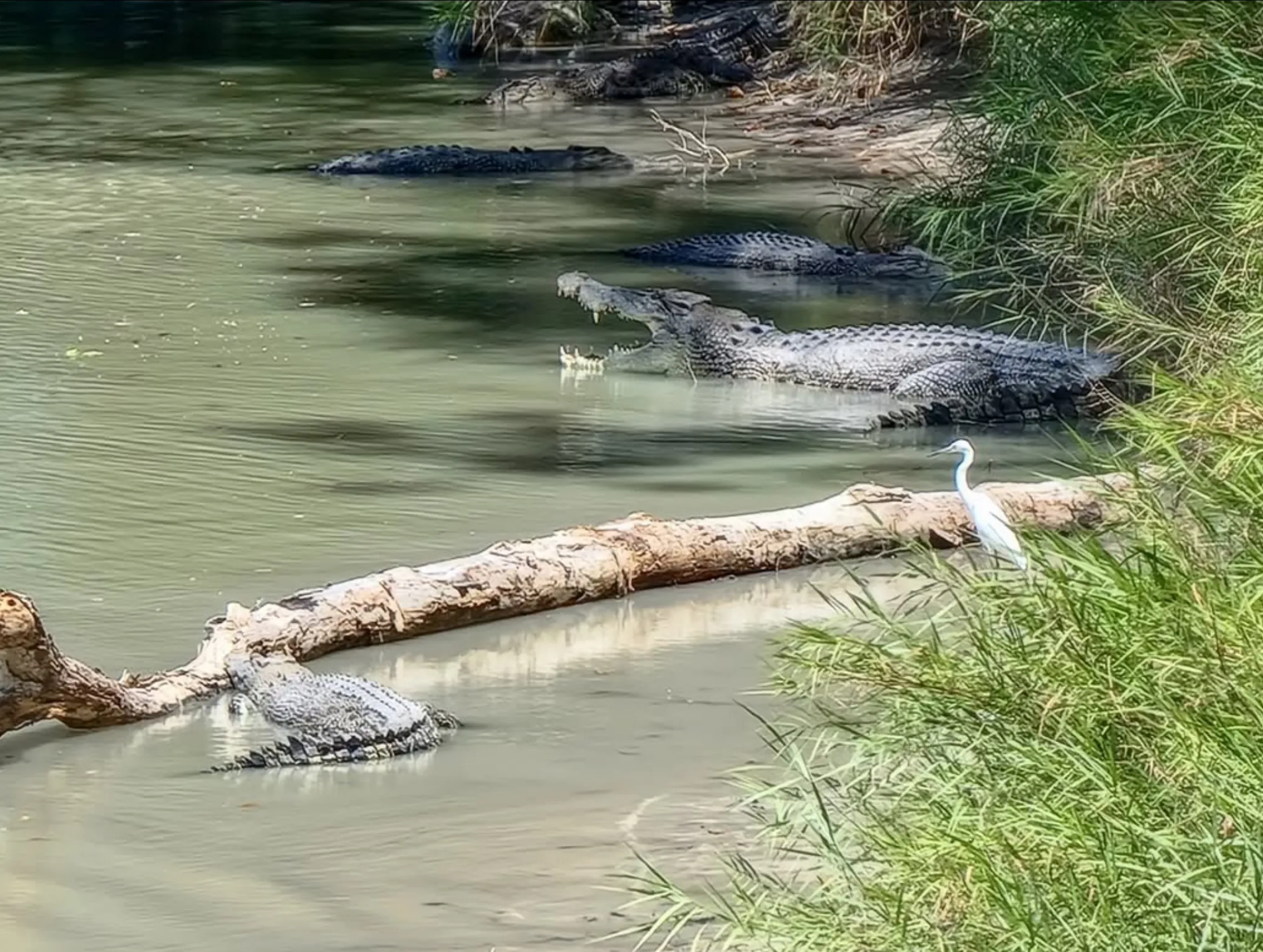
Not all waterholes are created equal. Some are permanent no-go zones due to cultural significance, croc danger or both. Here are the rules:
- Don’t swim in rivers, billabongs or floodplains unless signs say you can.
- Avoid unmarked waterholes. Just because it looks like a safe creek doesn’t mean it’s croc-free.
- Respect closed signs — rangers don’t shut things down for fun; it’s always about crocodile safety, water currents or cultural heritage.
Remember, crocs can and do travel long distances. A pool that looks calm and harmless can turn deadly if you ignore warnings.
Swimming with Cultural Respect
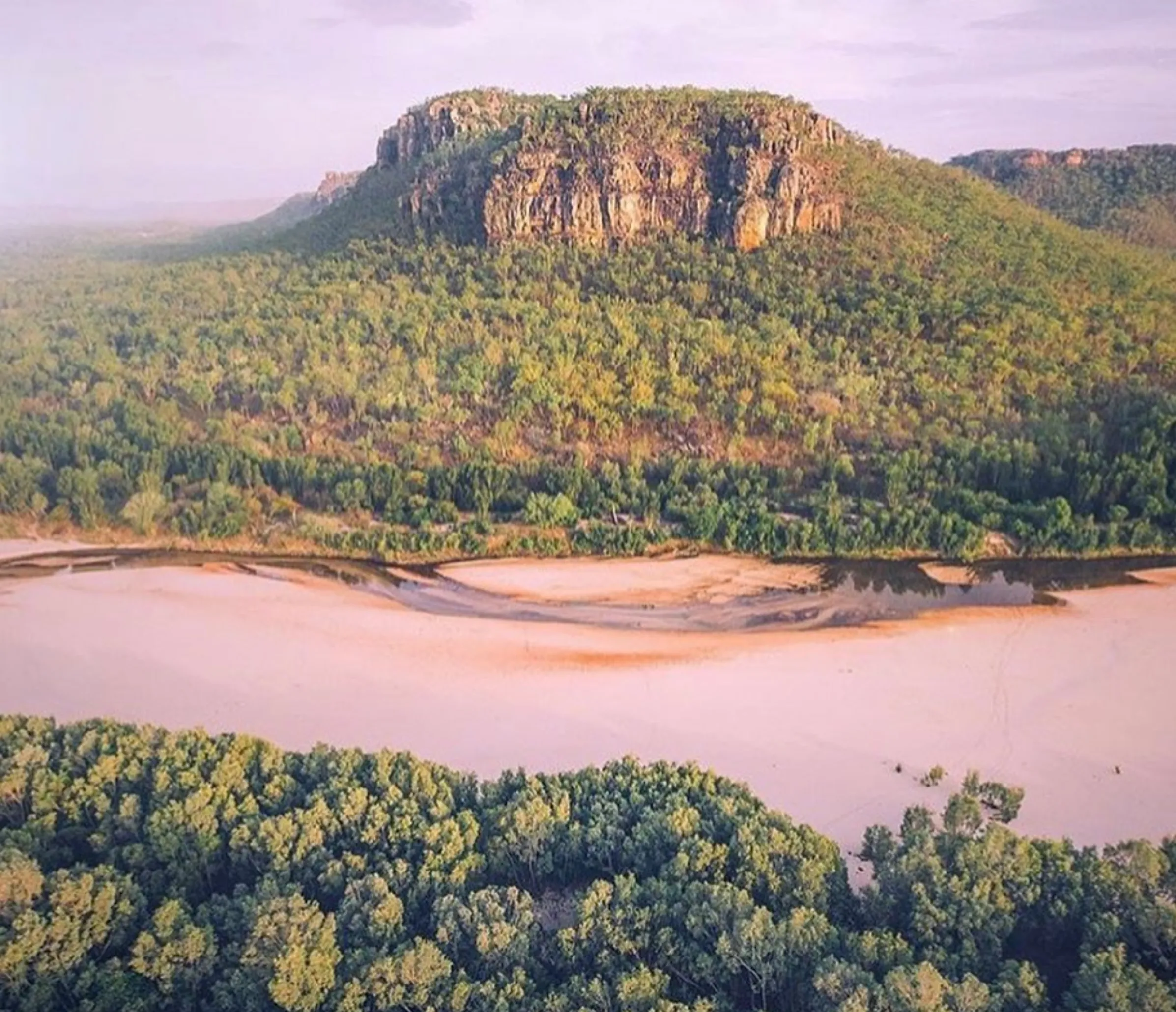
It’s not just about crocs. Some Kakadu sites are sacred to Traditional Owners, and swimming isn’t allowed for cultural reasons. Gunlom, for example, has been at the centre of long-running discussions around access, infrastructure installation and respect. When you visit, pay attention to signage, listen to rangers and remember you are on Aboriginal land where cultural traditions dictate what’s allowed.
Stats and Safety: Why Caution Matters
It might sound like overkill, but let’s look at the numbers. The NT records two fatal crocodile attacks per year, most of them in waterways where swimming isn’t allowed. Parks Australia relocate or removes dozens of saltwater crocodiles from Kakadu each year, especially after the wet season. These crocodile capture operations, combined with regular crocodile surveys and radio post monitoring, are not scare tactics – they’re a reminder that the rules are in place for a reason.
Here’s a quick look at the seasonal closures and swimming access:
| Season | Conditions | Swimming Access |
| Wet (Nov–Apr) | High rainfall, flooding, saltie activity | Most sites closed |
| Early Dry (May–Jun) | Roads reopen, croc surveys underway | Limited sites open |
| Peak Dry (Jul–Sep) | Stable water levels, ranger monitoring, and good water quality | Most safe sites are open |
| Late Dry (Oct) | Waterholes shrinking, croc risk rises again | Some closures |
Safe Dip Tips
If you’re going to take the plunge, here’s how to do it safely:
- Always read and follow the signs — they’re updated regularly.
- Check the ranger station before you head out.
- Swim in designated safe areas only.
- Don’t camp, fish or wander near closed waterways.
- Be croc-wise: never dangle near the water’s edge or wade in unmarked creeks.
- Wear water shoes for grip on rocky platforms and slippery rock formations.
- Consider joining a guided tour for extra safety and cultural insight.
Many people also combine their Kakadu National Park tour with a side trip to the Jumping Crocodile Cruise on the Adelaide River. It’s a good reminder of just how powerful these guys are before you take the plunge in a ranger-approved swimming hole.
My Own Croc Lesson
When I first guided through Kakadu, I had a traveller ask if we could stop at a roadside billabong for a dip — it looked flat as a pancake and tempting in the heat. I had to explain, probably more bluntly than they liked, that swimming there was basically offering yourself as a croc’s lunch. Later that same season, Rangers pulled a saltie out of that exact billabong. That story usually gets the point across: stick to the marked swimming areas.
Nowadays, operators like Autopia Tours make it easier to explore Kakadu safely. Whether you’re booking a 2 day Kakadu tour from Darwin, stretching it out with a 4 day kakadu tour or doing a Darwin to Kakadu day trip, going with a professional outfit means you’ll always know which swimming areas are open, safe and worth the dip.
Final Takeaway: Swim Smart, Travel Wise
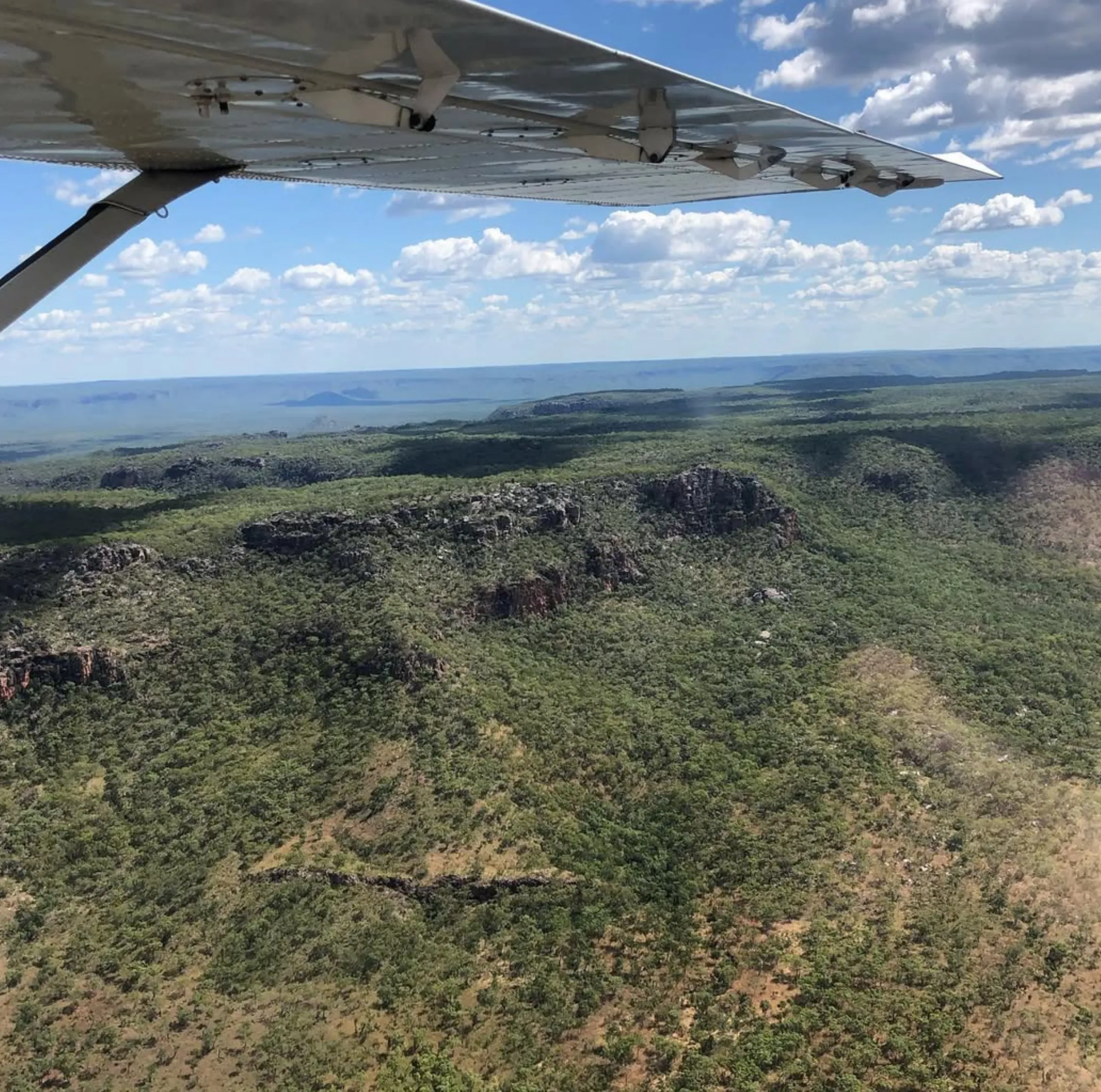
Kakadu’s swimming holes are the Top End’s best reward — but only if you follow the rules. The short answer to Can you swim anywhere in Kakadu National Park? is no. You can swim somewhere, but not everywhere. Follow the ranger’s advice, stay croc-wise, and you’ll enjoy refreshing dips of your life without making headlines.
Got your own Top End story? Leave a comment. I’m always swapping notes and updating my advice for fellow travellers who want to do Kakadu right.
FAQ
Are all swimming spots in Kakadu croc-free?
No. Only ranger-monitored, signposted swimming holes are croc-free, and even then, conditions can change quickly.
When can I swim in Kakadu?
Dry season (May–October) is best, water levels are stable, croc surveys are active and water quality is monitored.
Do I need a permit or pass to swim in Kakadu?
Yes, you’ll need a Kakadu National Park pass, which covers entry, facilities and safe access to swimming spots. No extra fee for a swim.
What do I do if I see a croc near a swimming area?
Get out immediately and tell rangers. Never assume it’s safe to stay because others are still in the water.
Can kids swim in Kakadu?
Yes, but only in approved swimming areas and with strict supervision. Stick to shallow plunge pools at ranger-designated sites.