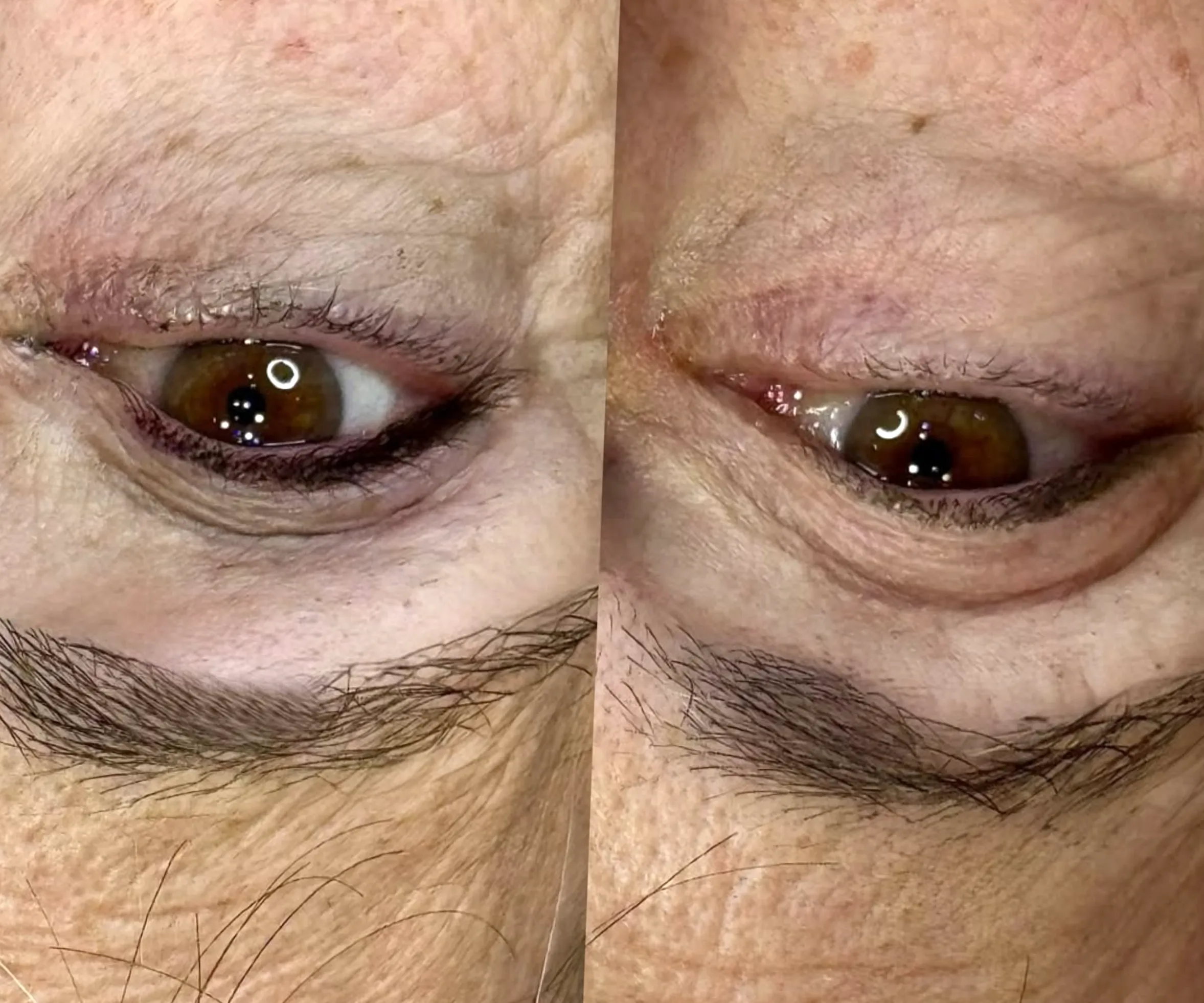

Right to the point — Can Swimming, Especially in Chlorinated Pools, Ruin My lash extensions? is a question I get asked almost daily in my Melbourne studio. Whether you’re a regular at your local aquatic centre, part of a swim team or club, or just a holidaying up the coast, no one wants to splash out on lash extensions only to see them fall off faster than a toddler down a waterslide. I’m Olha Po, a licensed lash and cosmetic tattoo artist at Cosmetic Tattoo Studio Melbourne Face Figurati, and in this guide, I’ll break down what swimming (and especially chlorinated water) does to your lashes — and what you can do to protect them.
Chlorine and Saltwater are Tough on Extensions
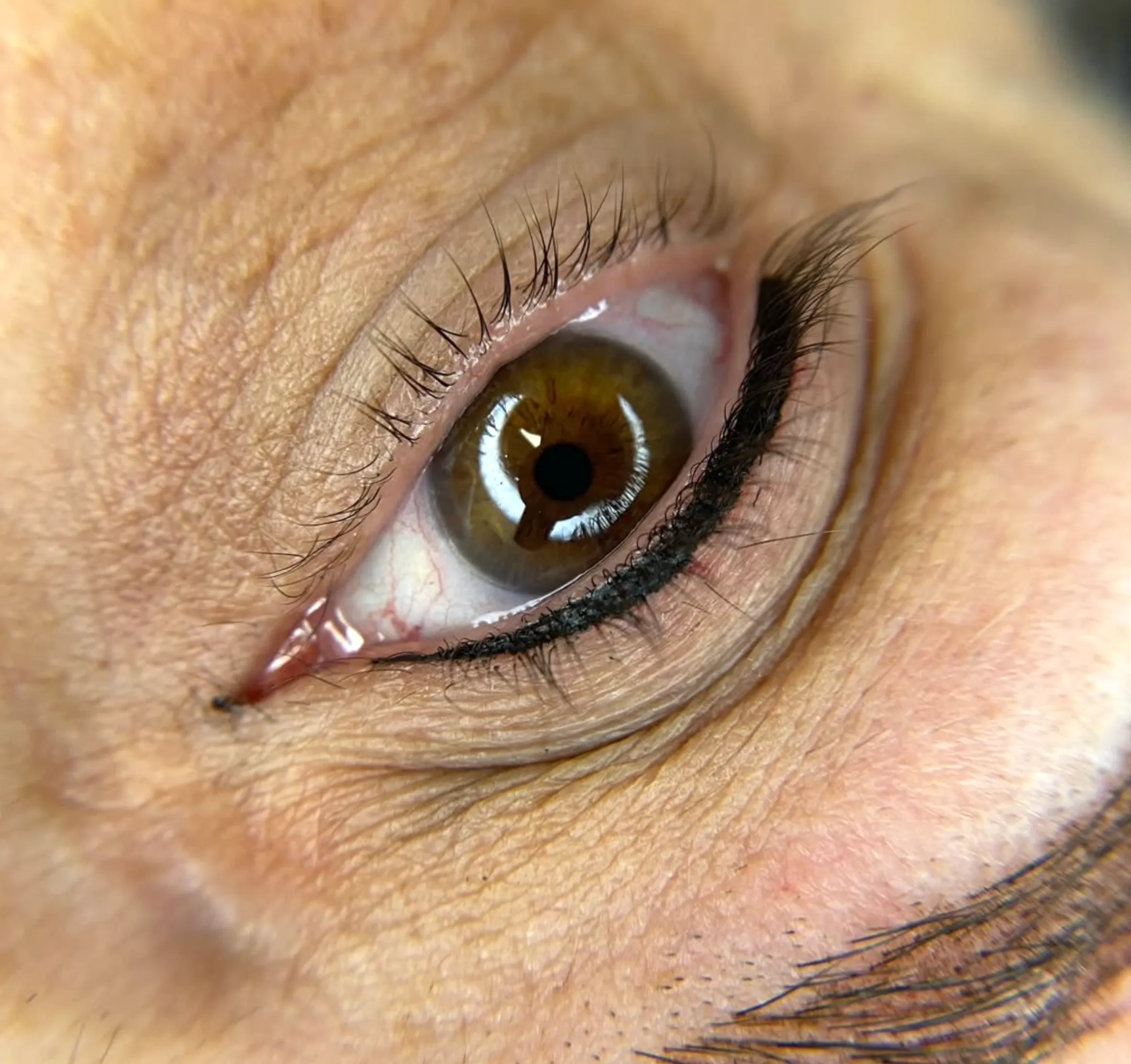
Think of lash extensions as high-end silk dresses — they look great, but you wouldn’t wear them into a storm without protection. Chlorine and saltwater strip natural oils, weaken the lash adhesive bond and leave lashes brittle. In Melbourne, our summer pool culture and thriving swimming community mean chlorine exposure is practically a given. Understanding what happens when those chemicals meet lash glue is the first step to preventing premature fallout.
How Lash Adhesive Reacts to Pool Chemicals
The adhesive used in professional lash extensions is cyanoacrylate-based, a fast-curing glue that loves a controlled, clean environment. Drop it into a mix of chlorine, heat and constant water immersion, and the bond can weaken. What’s worse, once the adhesive seal is compromised, lashes extension in Brisbane can clump or loosen unevenly. I have had clients who swim daily at MSAC (Melbourne Sports and Aquatic Centre) notice their retention halved compared to non-swimmers.
Saltwater vs Chlorine: Which is Harsher?
Both saltwater and chlorinated pools can impact lash retention, but chlorine is usually the bigger culprit. Saltwater dries out lashes, making them brittle over time, while chlorine breaks down the adhesive bond. In other words: saltwater dehydrates, chlorine dismantles. If you’re choosing between an ocean swim in St Kilda or laps in your local pool, your extensions will thank you for the beach day.
Melbourne Lifestyle and Lash Longevity
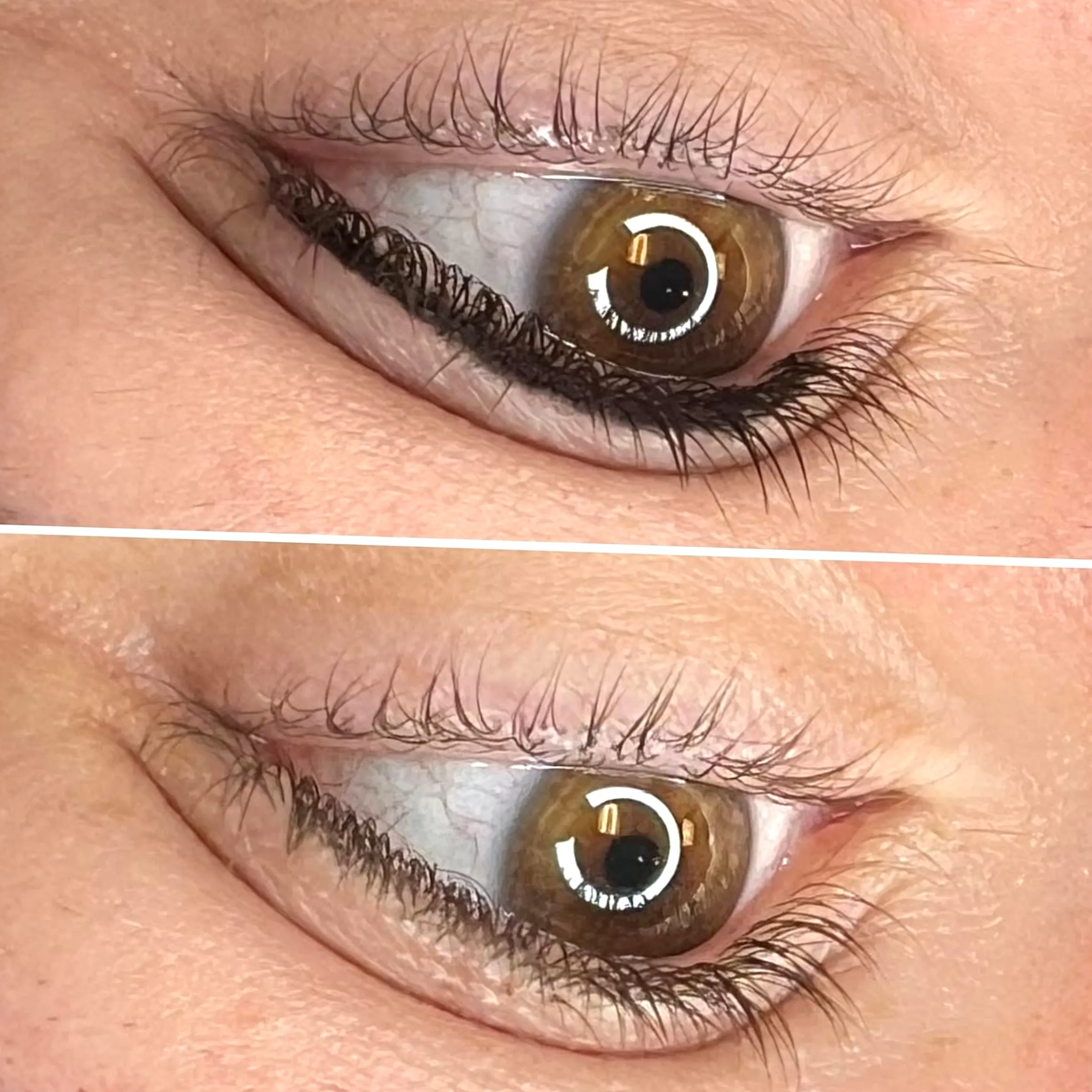
In Melbourne, we juggle extremes: dry summer heat, humid days by the bay, heated indoor pools in winter and group sessions at swim clubs. Each one affects lash health differently. Humidity speeds up adhesive curing, and dry heat makes lashes feel brittle. Add in pool chemicals and hydrostatic pressure from long swims, and you can see why extensions don’t always last the full 3-4 weeks. At Cosmetic Tattoo Studio Melbourne Face Figurati, I tailor my aftercare advice to the season — because lash life in Melbourne is not the same as in Brisbane or Perth.
Prevention: Swimming Smart with Extensions
Good news? You don’t have to choose between your lashes and your love of swimming strokes. Here’s what my clients swear by:
- Wait at least 24-48 hours after your lash appointment before swimming to let the adhesive cure fully.
- Wear swim goggles if you’re a regular lap swimmer.
- Rinse lashes with fresh water straight after swimming to wash off chlorine or salt.
- Brush and fan-dry gently with a clean spoolie.
These little tips can make the difference between two weeks versus four.
Real Client Stories: Lashes vs. Laps
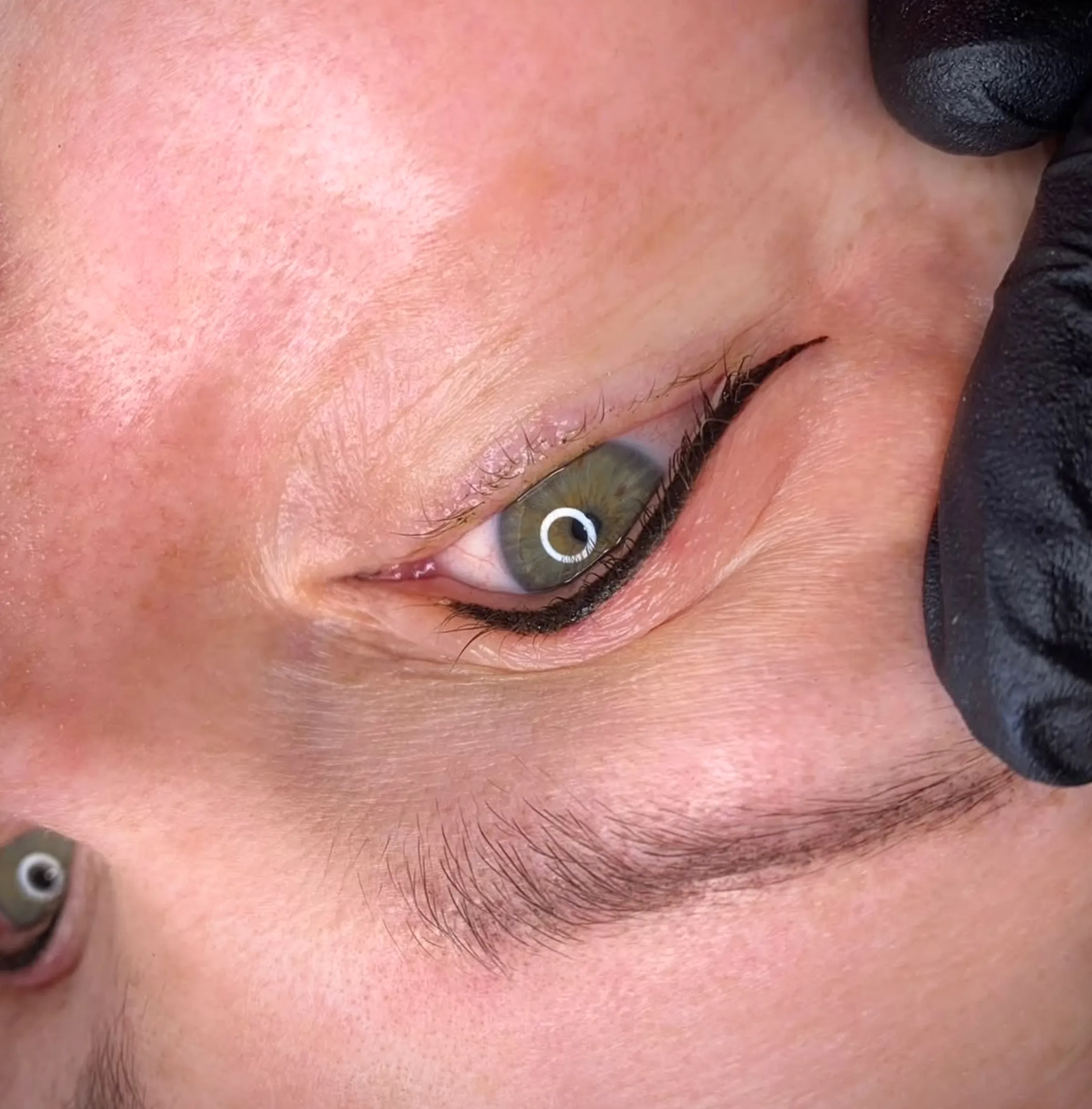
One of my clients, a triathlete from Brighton, came in worried she’d never get retention past a week. We changed her lash style to a lighter set, recommended goggles for training and scheduled infills every two weeks instead of three. Suddenly, she was able to swim daily without her lashes giving up. Another client who loved floating in St Kilda’s saltwater found that rinsing immediately after her dip gave her an extra week of wear.
Statistical Insight: Pool Usage and Lash Retention
According to 2024 beauty industry reports, 42% of lash clients cite swimming as a factor in retention issues. Chlorine in particular has been found to reduce adhesive strength by up to 30% after repeated exposure. Saltwater, while milder, still accounted for 25% of reported lash brittleness cases. The stats back what we see in the salon: water exposure, especially in pools, is the most common lash longevity complaint. Interestingly, research from aquatic centres also shows that regular swimmers burn more calories when combined with high-intensity workouts – another reason many lash lovers refuse to give up pool time.
Table: Pool vs. Ocean Impact on Lash Extensions
| Factor | Chlorinated Pools | Saltwater (Ocean) |
|---|---|---|
| Adhesive Breakdown | High–bond weakens quickly | Moderate – gradual weakening |
| Lash Brittleness | Moderate – due to dryness | High salt dehydrates lashes |
| Irritation Risk | High chlorine stings the eyes | Low – natural minerals are softer |
| Recommended Rinse | Immediate fresh water rinse | Immediate fresh water rinse |
| Goggles Recommended | Yes – especially for lap swims | Optional but helpful |
Lash Aftercare Post-Swim
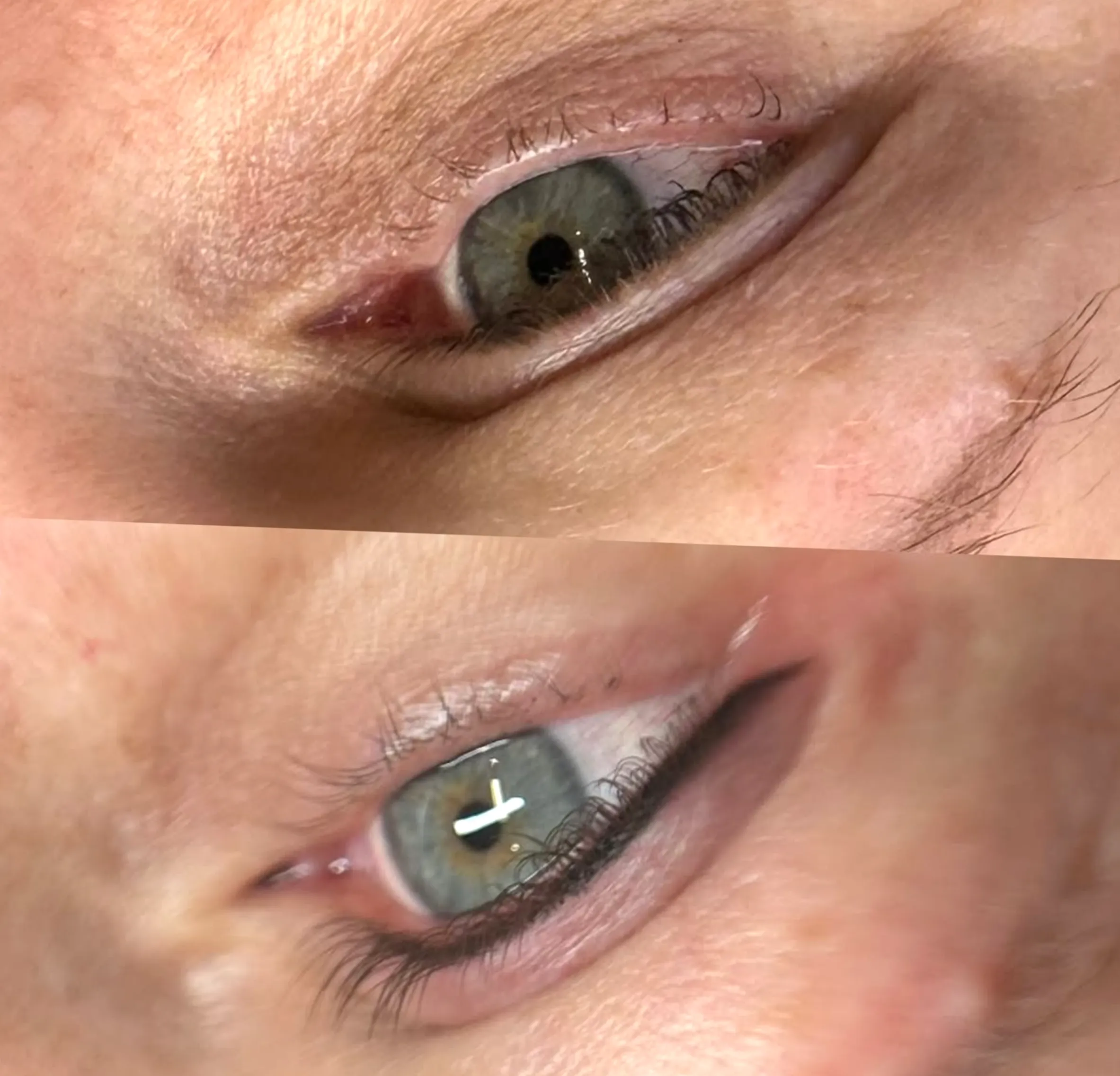
After a swim, treat your lashes like you would coloured hair after a salon treatment. Rinse thoroughly with clean water, pat dry with a lint-free cloth and brush gently. Avoid oil-based cleansers as they further weaken the adhesive. In my studio, I always recommend a foaming lash shampoo for swimmers — it clears chemical build-up and keeps the lash line healthy.
Should You Skip Swimming Altogether?
No way. Life’s too short to miss out on a summer pool party just for your lashes. The key is balance: be realistic about your lifestyle and long-term goals. If you’re an everyday swimmer doing stroke correction drills or long-distance swimming strokes, a lighter lash set with more frequent infills may be the way to go. If you only swim on holidays, simple aftercare tweaks will see you through. I tell my clients: don’t stop living, just swim smart.
Alternatives for Water-Lovers
If you know you’ll be in the water constantly, consider:
- Lash lifts with tint – your natural lashes curled and darkened, zero adhesive involved.
- Hybrid sets – lighter volume that withstands exposure better.
- Shorter extensions – less surface area means less chance of adhesive breakdown.
And if you’re interested in skill building, many of my clients do a lash lifting course or an eyelash lifting course to learn how to manage and maintain the look at home.
In fact, lash lifting courses are becoming increasingly popular in Melbourne as more beauty enthusiasts want professional-level knowledge for personal or salon use.
Cost vs Retention: What’s Worth It?
In Melbourne, lash extensions typically cost between $120-$180 for a full set, with refills around $80-$100. If swimming cuts your retention in half, you might be doubling your infill costs. Lash lifts, on the other hand, average $90-$120 and last 6-8 weeks without the same concerns. Weighing up lifestyle and cost helps you decide what’s most sustainable. And if you’re outside of Melbourne, many of my colleagues providing lash extension Brisbane services also report similar results with their clients who swim often. It’s worth noting that lash extension Brisbane trends show more swimmers opting for lash lifts over extensions.
Myth-Busting: Lashes and Water Exposure
Myth 1: Waterproof mascara helps extensions last. False — mascara (especially waterproof formulas) breaks down adhesive.
Myth 2: Oil-free cleansers are unnecessary. False — oils accelerate lash loss, especially post-swim.
Myth 3: Ocean water is safe for lashes. Half true — it’s gentler than chlorine but still drying.
I’ve fixed more than a few sets of clumpy, mascara-coated extensions that were harder to fix than natural wear and tear.
Seasonal Tips for Melbourne Swimmers
Summer: High chlorine exposure from outdoor pools, plus UV damage — focus on rinsing and hydrating lashes.
Autumn: Indoor heated pools — humidity can cause adhesive to cure too quickly, so infill timing may need adjusting.
Winter: Dry air indoors and cold winds outdoors — lashes feel more brittle; regular brushing helps.
Spring: Allergy season — swimming combined with itchy eyes means higher fallout risk. Be gentle!
Expert Summary
So, Can Swimming, Especially in Chlorinated Pools, Ruin My Lash Extensions? The answer is: not if you’re smart about it. Chlorine is harsher than saltwater, but both can impact retention if you don’t rinse and care properly. In Melbourne, with our mix of beach culture, aquatic centres and competitive swim clubs, I see this all the time. With the right routine, you don’t have to choose between lashes and lifestyle.
Final Thought: Swim and Still Look Stunning
At the end of the day, beauty should support your lifestyle, not restrict it. If swimming is your happy place — whether it’s for stroke correction, weight loss, or simply enjoying the social side of the swimming community — your lash extensions can still stay put with the right care. Think of it as teamwork between you, your lash artist and your aftercare habits. If you’re unsure what’s best for you, book a consult with me at Cosmetic Tattoo Studio Melbourne Face Figurati — I’ll walk you through the options that fit your routine.
Written by Olha Po, Certified Lash & Cosmetic Tattoo Artist, Melbourne
FAQ
How long until I can swim after getting lash extensions?
You should wait at least 24-48 hours before swimming. This allows the adhesive to fully cure, reducing the risk of premature lash loss.
Does chlorine damage natural lashes?
No, chlorine doesn’t harm your natural lashes directly. It mainly affects the adhesive bond of extensions. However, constant exposure without rinsing can make lashes brittle.
Is saltwater better for lash extensions than chlorine?
Yes, saltwater is generally less damaging than chlorine, but still drying. Both environments require immediate rinsing afterwards.
Will wearing goggles help?
Yes, especially if you swim laps regularly. Goggles create a barrier, keeping chemicals off your extensions and reducing adhesive breakdown.
What’s the best lash option for regular swimmers?
Lash lift and tint.