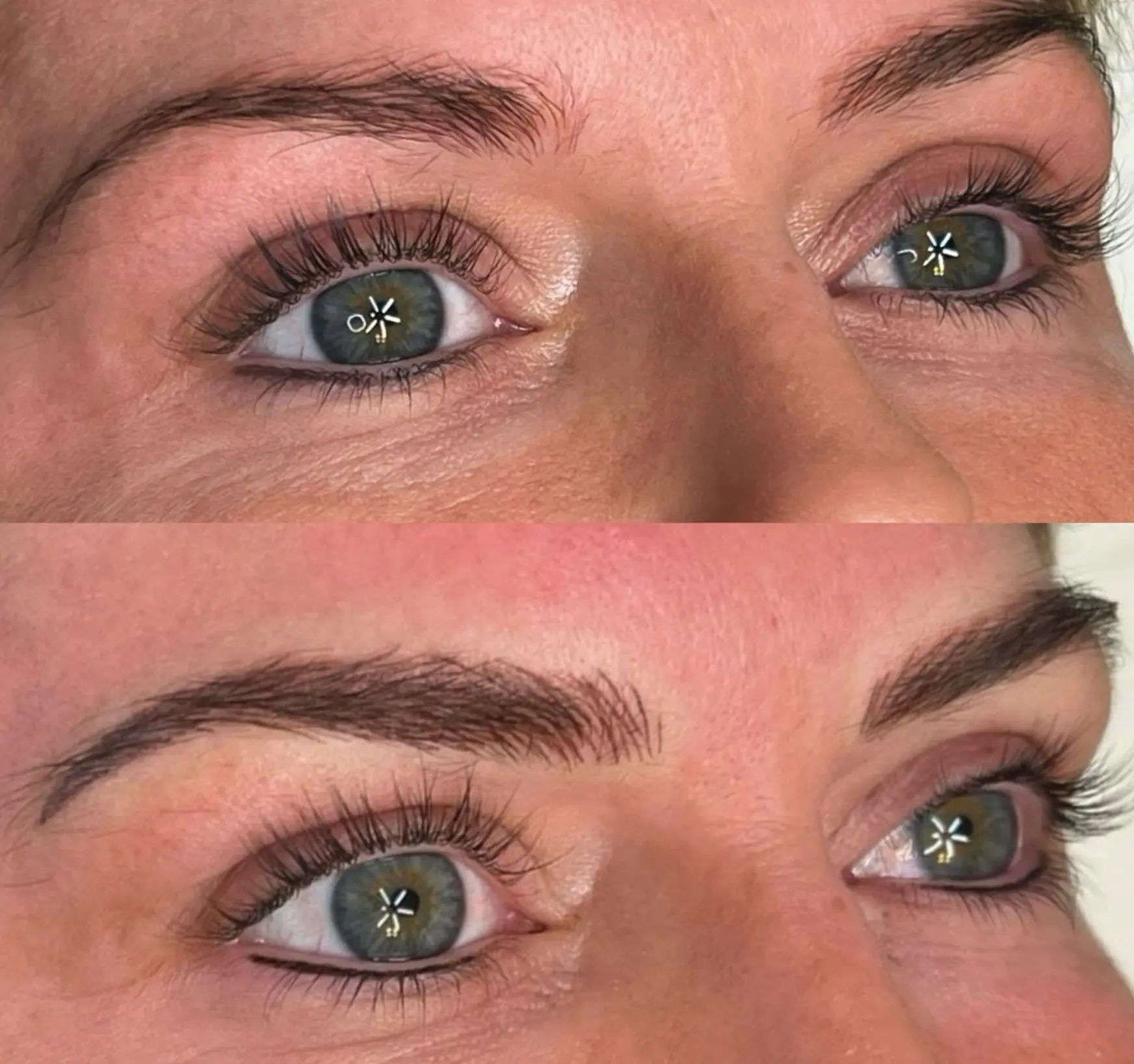
If you’ve found yourself googling “Why does my cosmetic tattoo hurt after 5 years?”, you’re not being dramatic — and you’re definitely not the only one. As someone who’s worked with hundreds of clients through touch-ups, colour corrections, and the occasional pigment mystery, I can tell you: delayed tattoo discomfort is real, and it deserves a proper look-in.
At Cosmetic Tattoo Studio Face Figurati, I’ve had clients walk in years after their initial brow, cosmetic tattoo eyeliner, or lip tattoos, wondering why they’re suddenly itchy, sore, or even swollen in that area. It’s not always easy to diagnose on the spot, but there are some clear culprits — and some myths we can toss straight in the bin.
Let’s unpack what might be going on, what you can do about it, and when to call in a pro.
What Your Skin Might Reveal Years Later
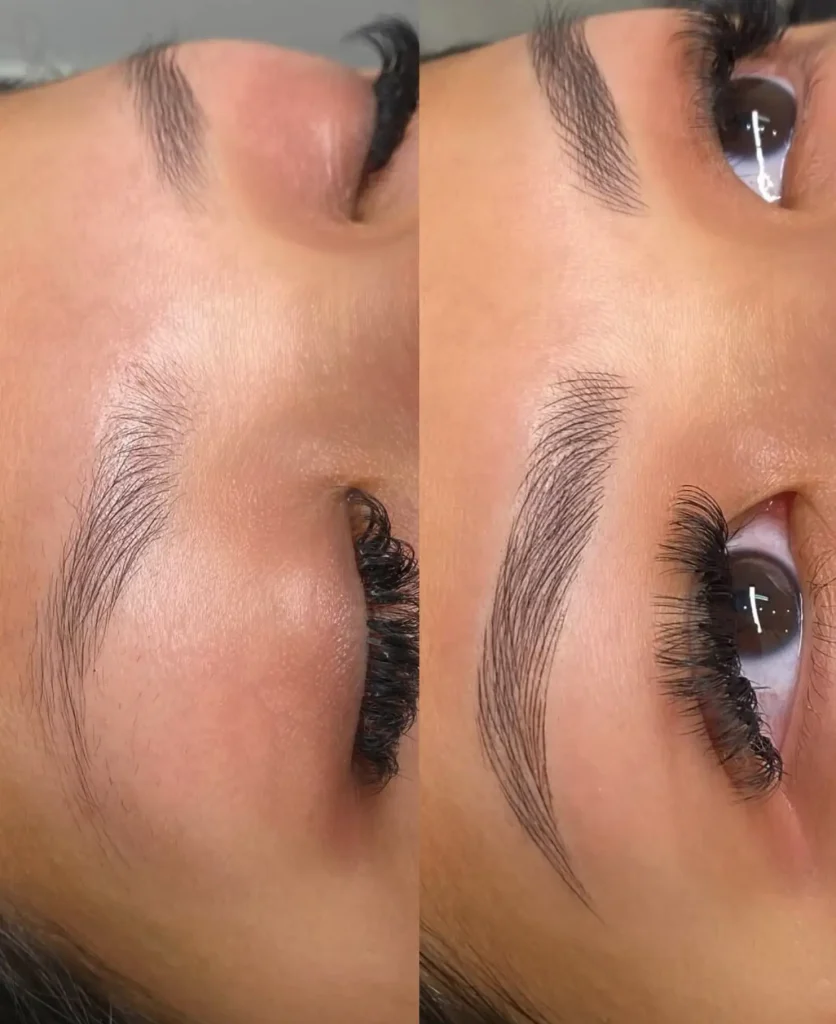
Your skin never forgets — and cosmetic tattoos are, at the end of the day, still tattoos. Whether you’ve had eyebrow tattoos, lip tattoos, or cosmetic tattoo eyeliner, here’s why you might suddenly be feeling something years on.
1. Delayed Allergic Reaction
Yes, you can develop a delayed allergy to tattoo pigment years after the initial procedure. The immune system’s memory is a powerful thing, and sometimes it randomly decides it’s not a fan of that pigment colour anymore.
Common signs:
- Itching, redness, or swelling
- Raised patches or lumps under the tattoo
- Discomfort that comes and goes seasonally
Pigments containing titanium dioxide or Black tattoo inks are more likely to trigger reactions, especially in older formulas used in cosmetic tattooing before 2020.
2. Scar Tissue and Skin Changes
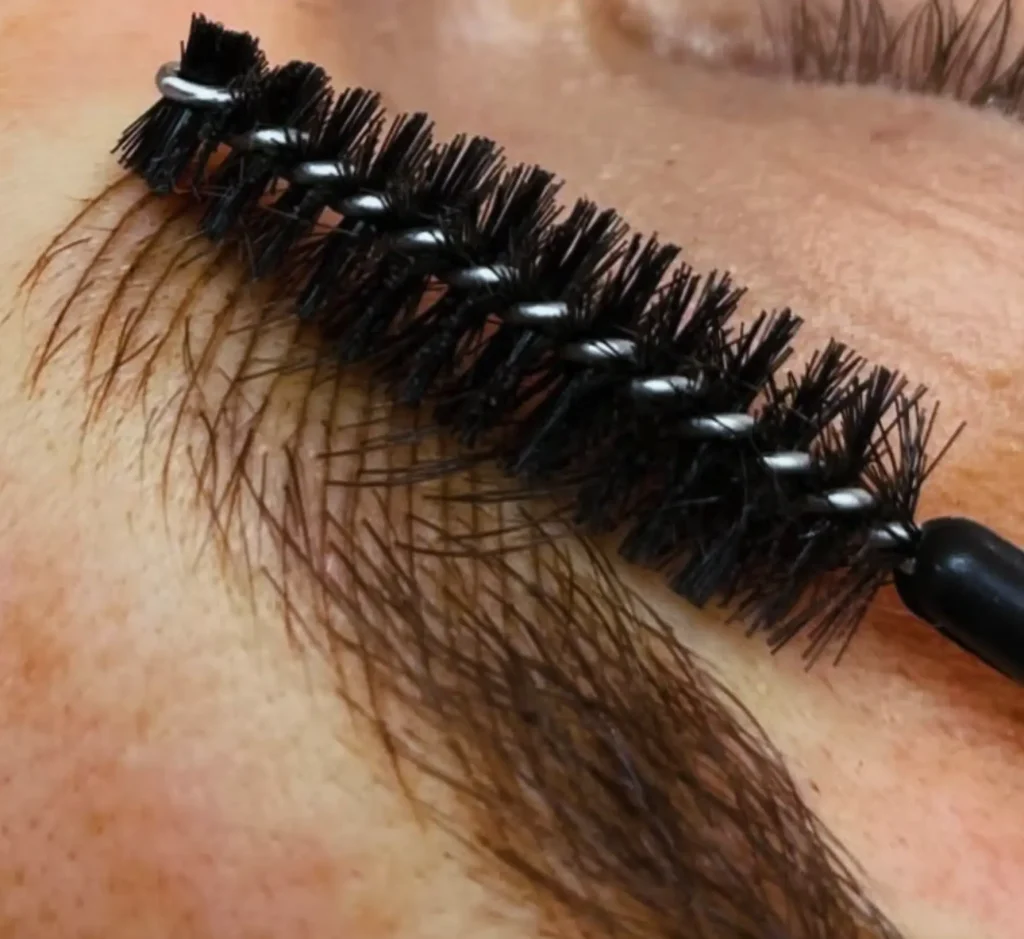
If your skin’s undergone trauma — say, laser treatments, chemical treatments, or even cosmetic procedures like microneedling — the old tattoo site can flare up. This is often due to micro-scarring, Issues with wound healing, or dermal changes that affect pigment retention.
Your skin type, tone, and skin conditions, like dry skin or oily ski,n also affect the healing process over time.
As a cosmetic tattooing artist, I always evaluate these factors before recommending touch-ups or correction work.
3. Granulomas or Inflammatory Nodules
A granuloma is your body’s way of saying, “Hey, there’s something here that doesn’t belong.” It’s a small, hard lump that forms around cosmetic tattoo pigments, often years after application, especially in semi-permanent makeup, where the body might slowly reject particles over time.
A 2025 dermatology review showed a 16% increase in delayed granuloma cases, especially from lip tattooing and cosmetic eyelid tattooing procedures.
4. Pigment Breakdown or Migration
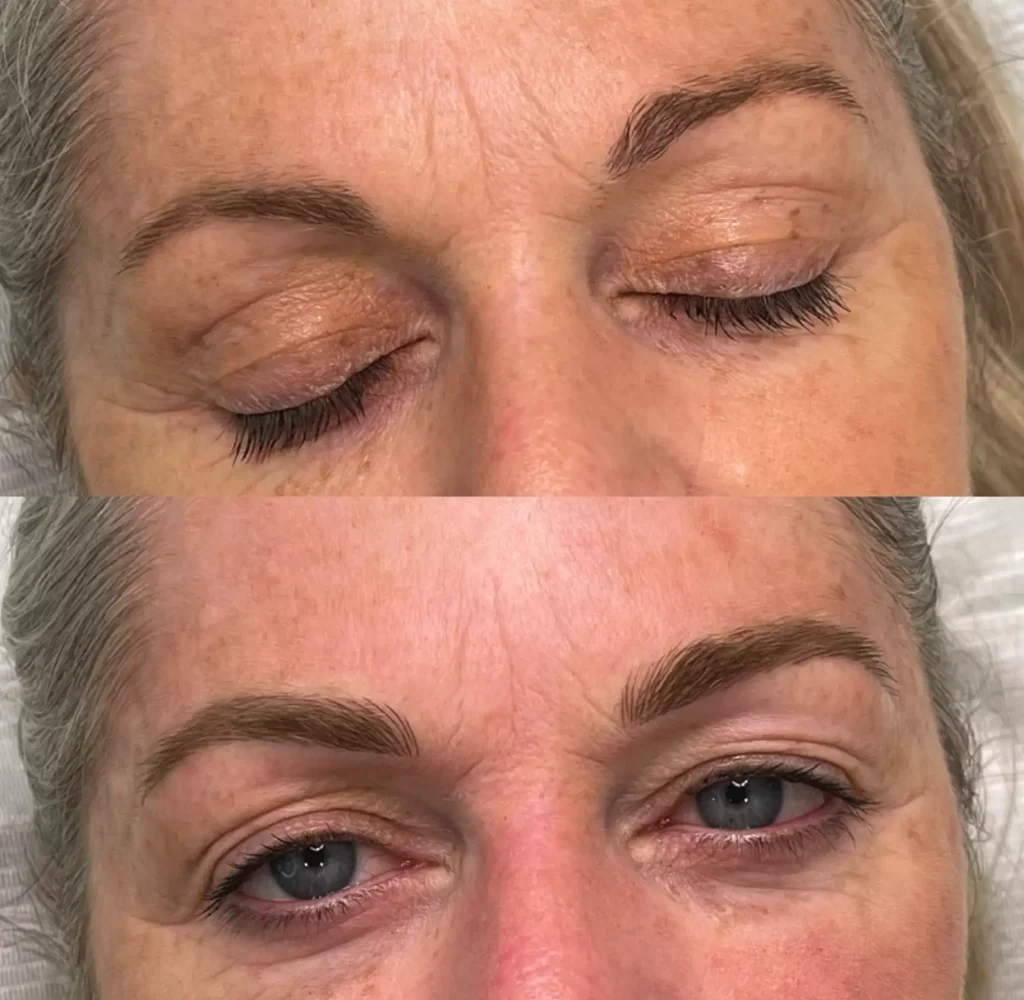
Over time, your body slowly metabolises and shifts pigment, especially with poor aftercare, premature fading, or exposure to elements like direct sun exposure, sweat, or airborne debris. This breakdown can release compounds that irritate surrounding tissue and trigger a sore outbreak.
If your artist didn’t use high-quality pigment or correct technique, your cosmetic tattoo may also be more prone to long-term issues.
5. Nerve Irritation or Neuralgia
Pain that feels sharp, electric, or “zingy” might indicate nerve involvement. This can happen if the tattoo machine went too deep during the initial session, or from additional sessions that aggravated nearby nerves.
This is more common in cosmetic eyeliner tattoo procedures due to the sensitivity of the area.
Issues With Older Cosmetic Tattoos
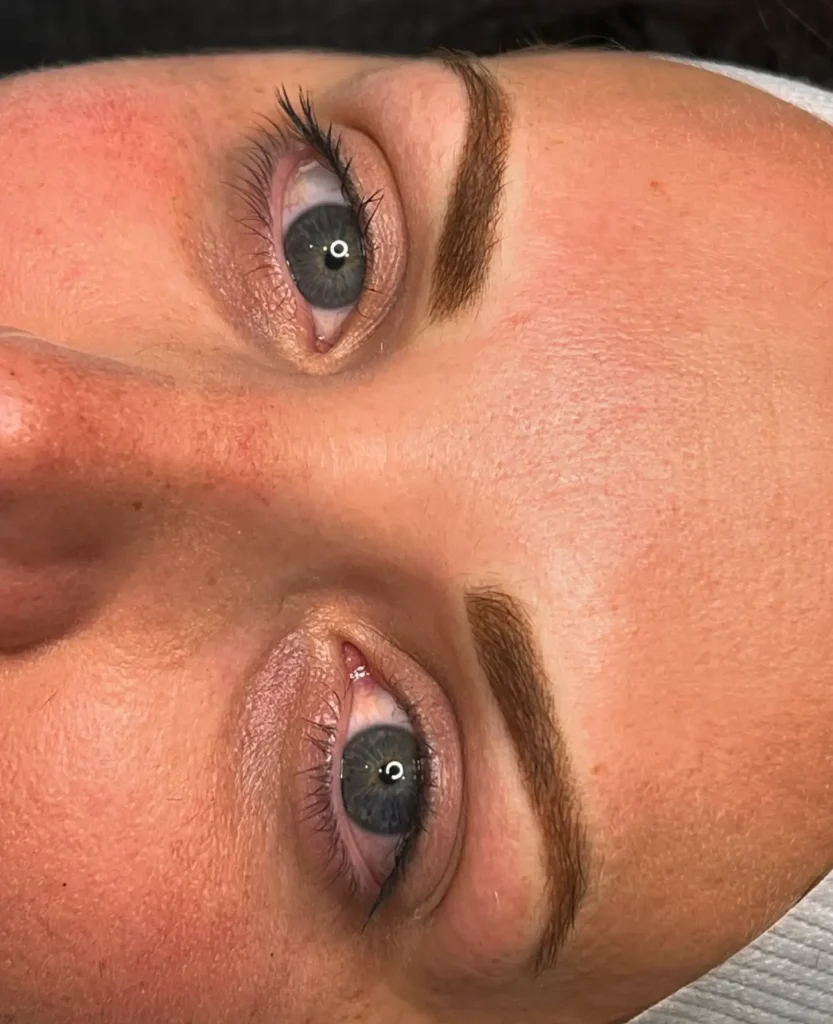
Let’s be honest: the pigment technology and cosmetic tattooing techniques used even 5–10 years ago are not what we’d use today.
Here’s a quick look at what’s changed:
| Then (2010–2018) | Now (2023–2025) |
|---|---|
| Block brows & harsh lines | Ombre eyebrow tattoo & Powder Brow techniques |
| Carbon-heavy pigments | Organic pigment blends for better Cosmetic Tattoo Pigment Retention |
| Deep implantation | More shallow, skin-safe depth control |
| Minimal aftercare instructions | Emphasis on proper aftercare, healing support, and avoiding harsh products |
| No client mapping | Custom mapping based on natural features and facial features |
As a cosmetic tattoo artist working at Cosmetic Tattoo Melbourne, I’ve seen firsthand how updated tools, pigment science, and safety protocols reduce the risk of delayed pain and pigment issues.
Could It Be Something More Serious?
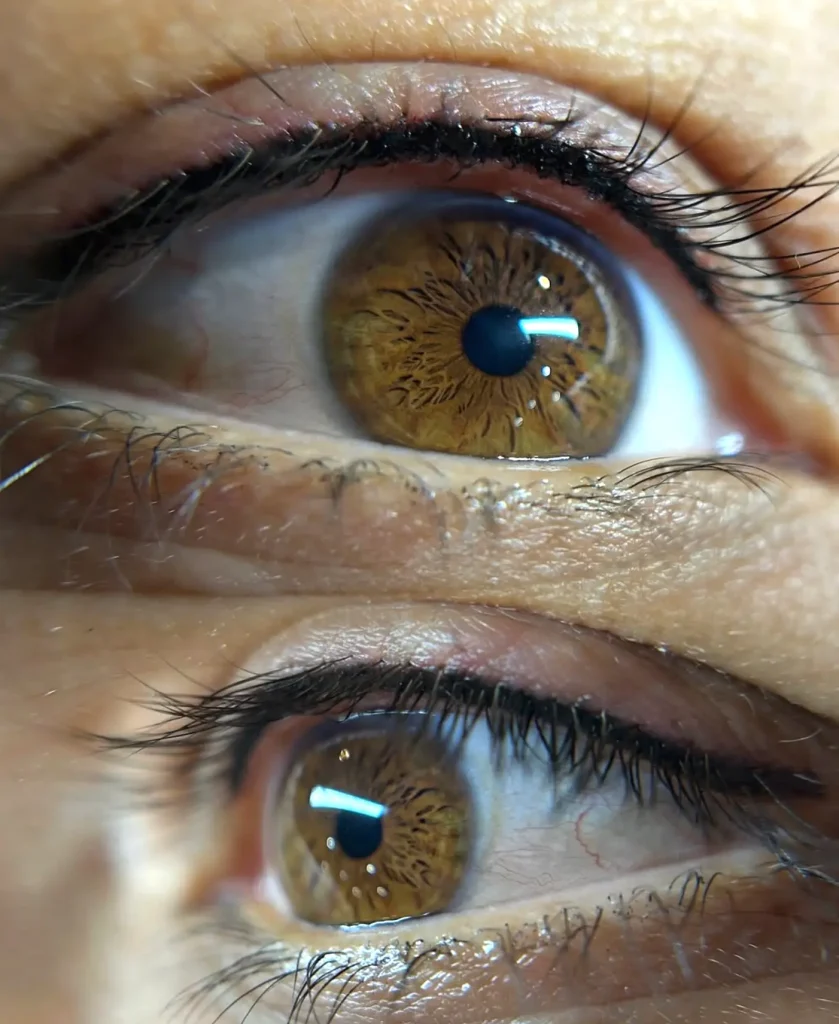
Don’t just chalk it up to ageing. Your body might be telling you something more:
- Persistent pain = granulomas or inflammatory reaction
- Discolouration = pigment breakdown, especially if cosmetic products or aftercare cream triggered sensitivity
- Swelling or itching = possible allergic reaction, cold sores, or reaction to topical medications
And yes — if you’ve had chemotherapy treatments or are dealing with Skin Diseases or common skin conditions, your tattoo may suddenly become reactive.
What to Do Before Removal
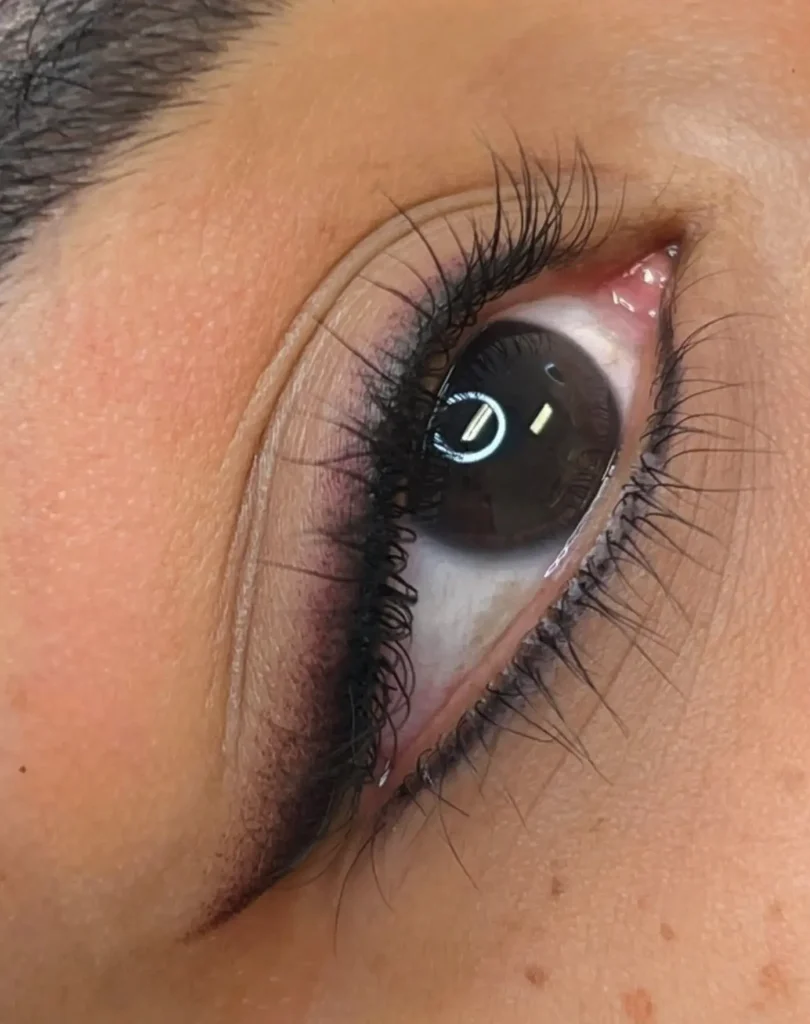
Eliminate External Triggers
- Pause any new skincare products or harsh products near the area
- Avoid direct sun exposure, excessive sweating, or steamy environments
- Check if your aftercare lotion or eyebrow makeup is irritating the site
Soothe With Barrier Support
Stick to:
- Fragrance-free aftercare cream
- Cold packs (wrapped!) to reduce inflammation
- Products with ceramides, panthenol, or colloidal oat
Avoid heavy creams that block pores, especially if your skin leans oily.
Check Your Healing History
Think back: did you experience poor aftercare, healing complications, or had blood thinners during the healing time of your initial procedure? Those can impact tattoo longevity and comfort.
And remember: Topical anaesthetics or numbing creams used during the session can sometimes cause lingering irritation depending on the type of tattoo and individual pain tolerance.
Don’t DIY a Fix
- Don’t exfoliate or pick at pigment
- Don’t start using tattoo removals at home
- Don’t apply numbing products or steroid creams without guidance
When to See a Pro (And What We’ll Do)
If your tattoo still hurts after all that, book in with your cosmetic tattoo artist or cosmetic tattoo specialist. At Face Figurati, we look at:
- Pigment type and depth
- Signs of pigment loss or unwanted migration
- Your cosmetic tattoo journey (including previous touch-up procedures or periodic touch-ups)
We might refer you for a patch test or even a dermatologist review if we suspect:
- Complications of eyelash or lid tattoos
- Haemophilus infections or immune issues
- Decorative tattooing overlap (like Scalp Micropigmentation or body tattoos in the same zone)
Fast Facts
- Pain can signal pigment breakdown, nerve irritation, or reaction
- Eyeliner Tattooing, Eyebrow tattooing, and lip tattoos are most prone
- Skin type, aftercare, and lifestyle impact the healing period and comfort
- Regular touch-ups may help, but only if done with proper safety and healing care

Final Thoughts
Tattoo pain isn’t just a “you problem.” It’s a skin-health signal. Whether it’s a case of faster fading, exposure to sunlight, or an old cosmetic eyelid tattooing procedure, your skin is doing its best to protect you, even if it means kicking up a fuss years later.
The best way to handle it? Don’t ignore it. Respect the signal, get a professional opinion, and remember that cosmetic enhancements should never compromise your daily routine or comfort.
FAQ
Can eyeliner tattoos start hurting years later?
Yes, particularly if you’ve had exposure to elements, poor aftercare, or skin changes. Lash-line tattoos can also shift with eyelash curler use or ageing.
Should I avoid sun exposure after touch-ups?
Absolutely. Exposure to sunlight can cause premature fading, irritation, and even discomfort, especially right after a touch-up procedure or future touch-ups.
What affects how long the pain lasts?
Your skin type, pain threshold, health conditions, and even your blood flow can influence how long discomfort lasts post-procedure.
Are numbing creams a problem long-term?
If overused or used improperly, they can impact pigment colour, increase sensitivity, or lead to poor healing.
How do I know if I need a complete removal?
If pain persists, pigment is flushed tattoo tone, or the site shows signs of chronic inflammation, complete removal might be needed. But always consult with a reputable artist or healthcare provider first.